 Save
Save My neighbor showed up one evening with a container of golden chickpea curry paste, and I spent the next hour dipping vegetables into it while she explained how she'd started making it on Sunday afternoons when she wanted something quick but felt homemade. The first spoonful hit differently than store-bought hummus—warmer spices, a subtle earthiness from the curry powder, and that tahini richness that coated your mouth in the best way. I asked for the recipe immediately, and what struck me was how simple it actually was: just a food processor, about ten minutes, and suddenly you have something that tastes like you've been simmering spices all day.
I made a batch last month for a potluck where I didn't know many people, and within twenty minutes, three different conversations had started around that bowl. Someone asked if it was store-bought (it wasn't), another person wanted to know if it was actually vegan (it is), and a third person was already mentally planning to use it on tomorrow's lunch wraps. That moment when food becomes a conversation starter instead of just something to eat—that's when you know you've found something worth keeping in rotation.
Ingredients
- Chickpeas (1 can, drained and rinsed): Use canned for convenience, but rinse them well to remove that starchy liquid that can make the paste grainy instead of silky.
- Tahini (2 tbsp): This is your secret weapon for creaminess without dairy; stir the jar well before measuring since the oil separates, and it'll make all the difference in texture.
- Fresh lemon juice (2 tbsp): Bottled works in a pinch, but fresh lemon brings this paste to life with brightness that feels impossible from concentrate.
- Garlic (1 small clove, minced): One clove is usually perfect, but if you love garlic, go ahead and add a second—raw garlic gets more pungent as it sits, so taste before serving.
- Curry powder (1 tbsp): This is the soul of the dish; different brands vary wildly in heat and depth, so pick one you like and taste as you go.
- Ground cumin (½ tsp): Cumin brings warmth and earthiness that ties everything together without being obvious about it.
- Ground turmeric (¼ tsp): Just enough to add color and that subtle, slightly bitter complexity that makes people wonder what the secret ingredient is.
- Cayenne pepper (¼ tsp, optional): Leave it out if you're serving it to people who don't like heat, or add it if you want the spice to announce itself.
- Olive oil (3 tbsp): Use something decent here—not your most expensive bottle, but not the bargain brand either, since it flavors everything.
- Cold water (2–4 tbsp): Add it slowly, one tablespoon at a time, because you can always add more but you can't take it back.
- Salt and black pepper: Taste constantly and adjust; store-bought chickpeas often have salt in the liquid, so you might need less than you expect.
Tired of Takeout? 🥡
Get 10 meals you can make faster than delivery arrives. Seriously.
One email. No spam. Unsubscribe anytime.
Instructions
- Gather everything and set up:
- Pull out your food processor or blender and have all your ingredients measured and ready to go. Starting with everything at hand means you won't be scrambling to find the turmeric while your paste sits partially blended.
- Combine your base:
- Add the drained chickpeas, tahini, lemon juice, minced garlic, curry powder, cumin, turmeric, cayenne (if you're using it), olive oil, salt, and pepper all at once. Yes, it looks like a lot going in there at once, but that's the point.
- Blend until smooth:
- Turn on your processor and let it run for about a minute, then stop and scrape down the sides with a spatula, getting all those bits that stuck to the walls. Blend again until everything is fully combined and creamy—you're looking for the texture of thick peanut butter, maybe slightly looser.
- Adjust with water slowly:
- If it looks too thick, add water one tablespoon at a time, blending between each addition until you hit that sweet spot. Remember that it'll thicken slightly once it's been in the fridge, so go a touch looser than you think you want.
- Taste and season:
- This is where you become the boss of your own paste. Take a little taste on a spoon or cracker, and add more salt, lemon juice, or curry powder if something feels like it's missing.
- Transfer and finish:
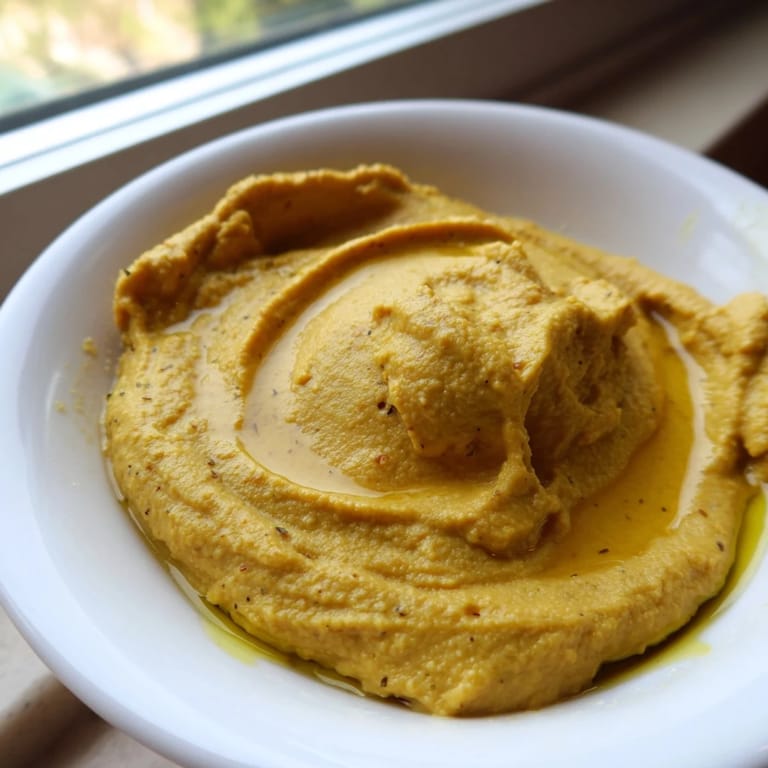
- Spoon everything into a serving bowl and give it a little drizzle of extra olive oil on top, plus a pinch of curry powder if you're feeling fancy. Serve immediately while it's still got that fresh, vibrant energy, or let it chill.
 Save
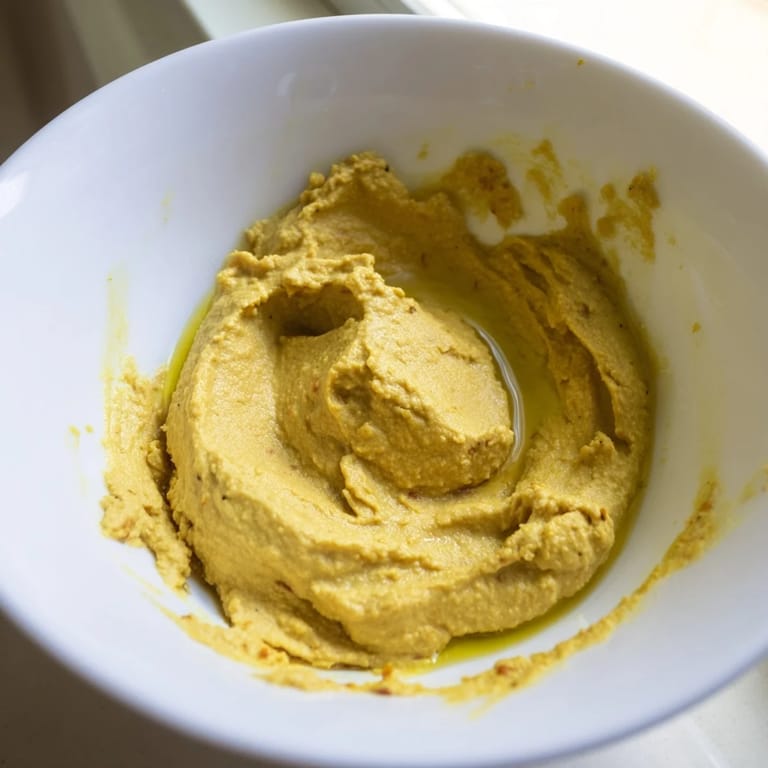
Save There's something about homemade dips that turns casual snacking into an event. When I finally made this for my own table, my partner couldn't stop going back to it, and what started as a side for vegetables became the main thing we were thinking about. That's when I realized this paste wasn't just convenient—it was genuinely crave-worthy.
Flavor Building: The Spice Story
Curry powder is your foundation here, but it's not acting alone. The cumin whispers underneath, the turmeric adds this golden warmth, and if you're brave enough to use the cayenne, it shows up gradually as you eat, building heat that sneaks up on you. I've learned that spices in a food processor work differently than they do on their own—when they're blended directly into a wet base, they distribute more evenly and their flavors feel rounder, less sharp. The lemon juice is what keeps everything from tasting heavy or one-note; it's like opening a window in a warm room.
Texture Matters More Than You'd Think
The first time I made this without carefully rinsing the canned chickpeas, the paste came out with a weird grainy quality that no amount of blending could fix. Now I'm almost ritualistic about it—drain, rinse under cold water, let them sit in the strainer for a second while I'm measuring tahini. The tahini is equally important; if it hasn't been properly stirred before you measure it, you might end up with a dry paste that needs way more water than it should. Blending time matters too—don't rush it, and don't be afraid to stop and scrape down the sides multiple times until everything is truly smooth.
Ways to Use It That'll Surprise You
Beyond dipping, this paste has quietly become part of how I cook on busy weeknights. I've stirred it into cooked grains for a quick, protein-packed side dish, used it as the base for a quick curry sauce when I add more water and coconut milk, and even swirled it into soups for depth. It's one of those recipes that feels smaller than it actually is because it does so many things.
- Spread it on toasted bread with roasted vegetables for a no-cook lunch that feels put-together.
- Thin it with a little water and use it as a sauce for roasted chickpeas or vegetables straight from the oven.
- Dollop it onto a grain bowl alongside whatever vegetables and proteins you have on hand for instant flavor cohesion.
 Save
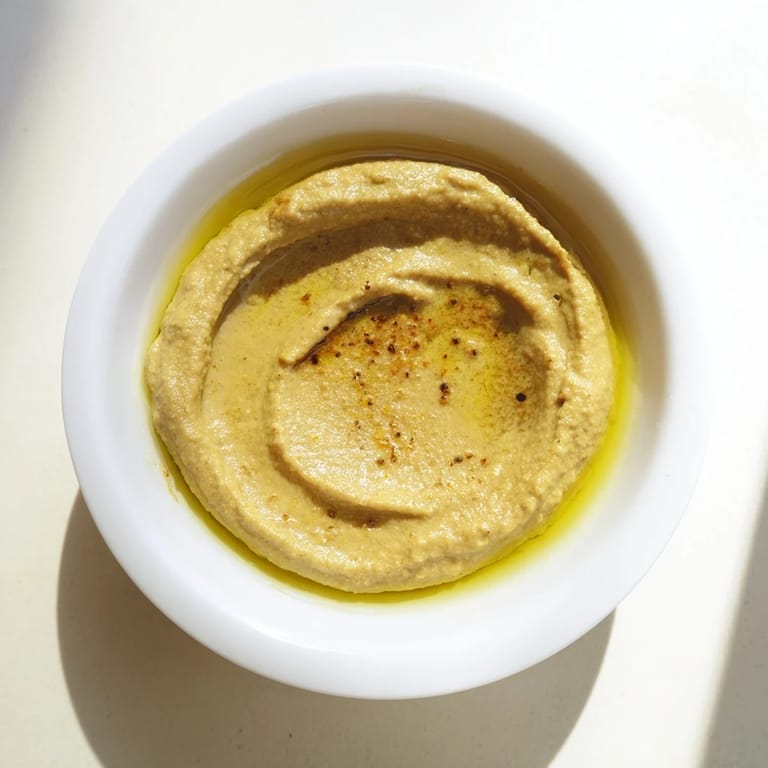
Save This chickpea curry paste has become the kind of recipe I make without looking at the measurements anymore, which is how you know it's earned its place in regular rotation. It's proof that simple ingredients and ten minutes of blending can create something that tastes far more complicated than it actually is.
Recipe Q&A
- → Can I make this paste without a food processor?
A high-powered blender works equally well. For a chunkier texture, you could mash the chickpeas by hand with a fork, though the result won't be as creamy.
- → How do I adjust the consistency?
Add cold water gradually, one tablespoon at a time, blending between additions until you reach your preferred texture. For thicker consistency, use less water; for thinner, add more.
- → What can I serve this with?
Enjoy with warm pita or naan bread, fresh vegetable sticks like carrots and cucumbers, crackers, or use as a sandwich and wrap spread. It also makes an excellent base for grain bowls.
- → How long does it keep?
Store in an airtight container in the refrigerator for up to five days. Ensure it's well-covered to prevent drying out. You can also freeze portions for longer storage.
- → How can I customize the flavor?
Add fresh cilantro or parsley for herbaceous notes, incorporate fresh chili or extra cayenne for heat, or increase curry powder for deeper spice. Adjust lemon juice for tanginess and salt to taste.
- → Is this suitable for meal prep?
Yes, this paste is excellent for meal prep. Make a batch early in the week and portion into containers. It pairs well with grains, roasted vegetables, and proteins throughout the week.