 Save
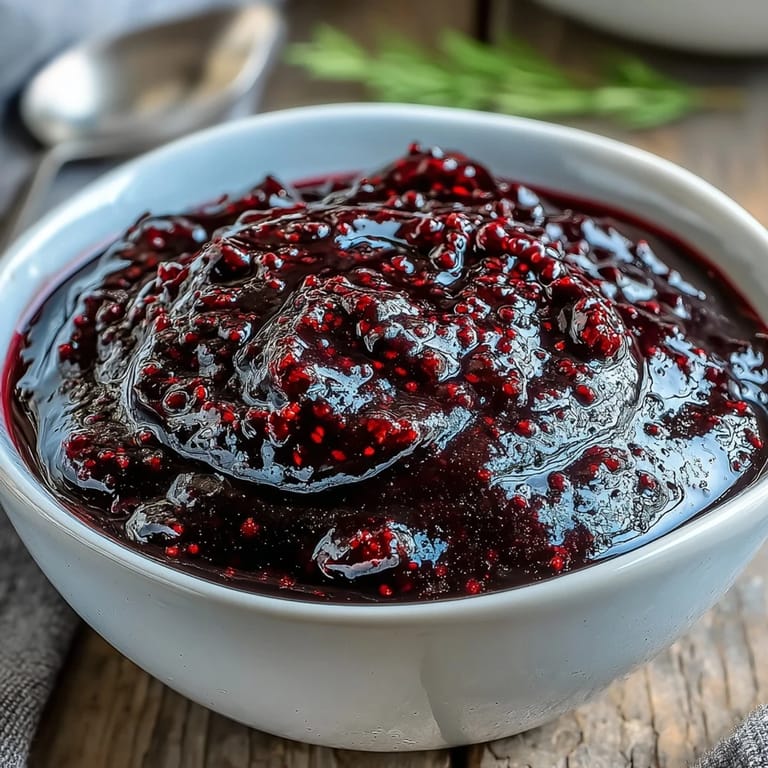
Save The first time I made a black currant reduction, I was standing in a small Parisian kitchen during a cold November evening, watching a chef casually toss black currants into a saucepan like they were the most obvious choice in the world. What struck me wasn't the technique—it was how quickly the kitchen filled with this deep, wine-dark aroma that seemed to contain autumn itself. Years later, I finally understood why she moved so confidently through those steps: this sauce is pure alchemy, turning tart berries and wine into something that tastes like you've been cooking for decades.
I made this for a dinner party where a guest brought a stunning duck breast, and I was suddenly faced with the pressure of not ruining it. Something about watching that glossy, wine-dark liquid coat the meat made everyone at the table go quiet for a moment—not the uncomfortable kind, but the kind where you know something tastes genuinely good. After that night, this sauce became my go-to for any time I wanted to feel like I knew what I was doing in the kitchen.
Ingredients
- Fresh or frozen black currants (1 cup): These berries are the soul of this sauce—tart, almost floral, and worth seeking out because they're worth it, though frozen works beautifully and is often easier to find.
- Dry red wine (1 cup): Choose something you'd actually drink, not the bottom-shelf bottle you'd never open otherwise—the wine's character becomes the sauce's backbone.
- Good-quality chicken or vegetable stock (1/2 cup): This adds body without overwhelming the fruit; homemade is lovely, but a quality store-bought version works perfectly.
- Balsamic vinegar (2 tbsp): Just enough to add depth and that subtle sweetness that makes people ask what secret ingredient you used.
- Shallot, finely chopped (1 small): Shallots are gentler than onions and dissolve into the sauce, adding quiet aromatics instead of sharp bite.
- Fresh thyme and bay leaf: These infuse the reduction with subtle herbal notes that anchor the fruit's brightness; don't skip them or use dried here.
- Granulated sugar (2 tbsp): A small amount balances the wine's tannins and the currants' tartness without making this taste dessert-like.
- Freshly ground black pepper and fine sea salt: These season gently; freshly ground pepper matters more than you'd think for final flavor.
- Cold unsalted butter, cubed (2 tbsp): This finishes the sauce with a silky sheen, so it must be cold and added at the very end to create that restaurant-style glossy sheen.
Tired of Takeout? 🥡
Get 10 meals you can make faster than delivery arrives. Seriously.
One email. No spam. Unsubscribe anytime.
Instructions
- Start with the shallot foundation:
- Melt the first tablespoon of butter over medium heat and let the chopped shallot soften for 2–3 minutes until it turns translucent and starts smelling sweet. This gentle start prevents the sharp bite that raw shallots would bring to the finished sauce.
- Build the reduction base:
- Pour in the black currants, red wine, stock, balsamic vinegar, thyme, and bay leaf, then add the sugar, salt, and pepper. Stir everything together and watch as the mixture transforms from separate components into something unified.
- Let it simmer down:
- Bring the liquid to a gentle boil, then lower the heat and let it bubble softly for 15–20 minutes, stirring occasionally. You're looking for the liquid to reduce by about half and take on a slightly syrupy consistency that coats the back of a spoon.
- Strain for smoothness:
- Pour the sauce through a fine mesh strainer into a clean saucepan, pressing down on the solids with a spoon to extract every drop of flavor. This step creates that refined texture that separates a carefully made sauce from a chunky fruit compote.
- Finish with butter for silk:
- Return the strained sauce to low heat and whisk in the remaining cold butter, one cube at a time, until the sauce becomes glossy and smooth. This technique, called mounting with butter, transforms a good sauce into one that feels luxurious on your tongue.
- Taste and adjust:
- Give it a final taste and adjust seasoning as needed—a pinch more salt, a crack of pepper, or a splash of vinegar for sharpness if you want it. Trust your palate here; you've created something that should taste exactly how you love it.
 Save
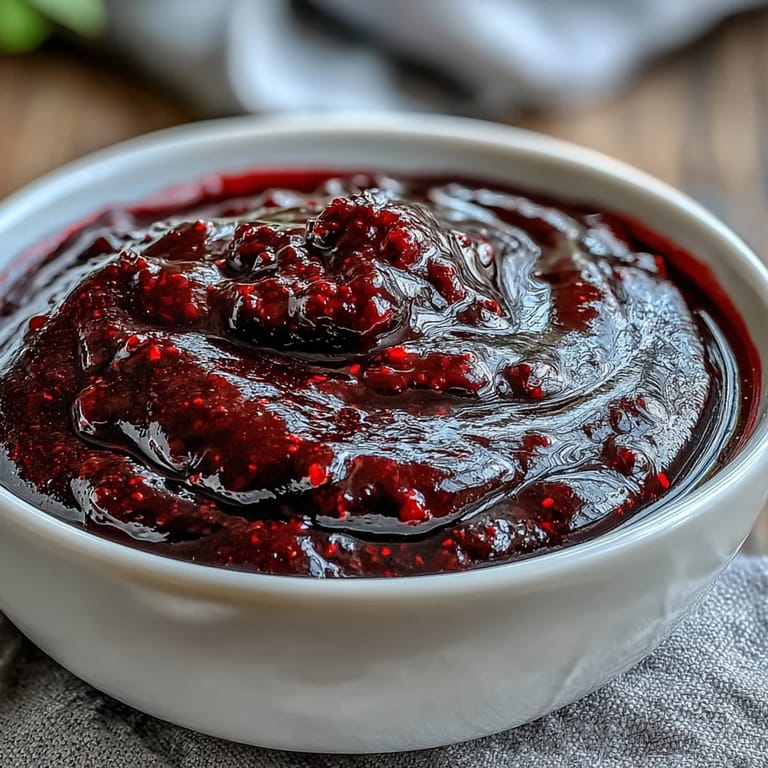
Save There's a moment toward the end of cooking this sauce when it transitions from being merely a liquid to becoming something glossy and purposeful, and catching that moment feels like being let in on a small culinary secret. I've learned to pay attention to that transformation, because it's when you know you've nailed it.
When to Serve This Sauce
This reduction shines brightest alongside roasted duck, pork tenderloin, venison, or a beautiful charcuterie board where it adds elegance without overshadowing the main ingredient. I've also drizzled it over roasted game birds, spooned it beside seared liver, and used it as an unexpected companion to aged cheeses at the end of a meal. The sauce stays warm for about 15 minutes, so plate your meat first and add the sauce as your final flourish.
Making It Ahead and Flavor Variations
This sauce actually improves when made a day in advance—the flavors settle and deepen overnight in a way that feels almost intentional. Reheat it gently over low heat, whisking occasionally, and add the butter again just before serving for that fresh glossy finish. For deeper complexity, try replacing half the wine with crème de cassis, which adds an almost mysterious black currant intensity that makes people lean in for another bite.
Scaling and Storage Tips
This recipe doubles easily if you're feeding a crowd, though keep the heat at a gentle simmer so the flavors have time to meld rather than become muddled. The sauce keeps refrigerated for up to 4 days, though the fresh butter finish is best added right before serving for that silky texture. If you're making it weeks ahead, freeze just the strained sauce without the butter, then finish it fresh when you're ready to serve.
- Cold butter should always be added off direct heat to prevent the sauce from breaking into separated puddles of fat.
- A sharp vinegar like red wine vinegar can replace balsamic in equal measure if you want a more savory edge.
- This pairs beautifully with even simple roasted vegetables if you want to elevate a weeknight dinner beyond the usual routine.
 Save
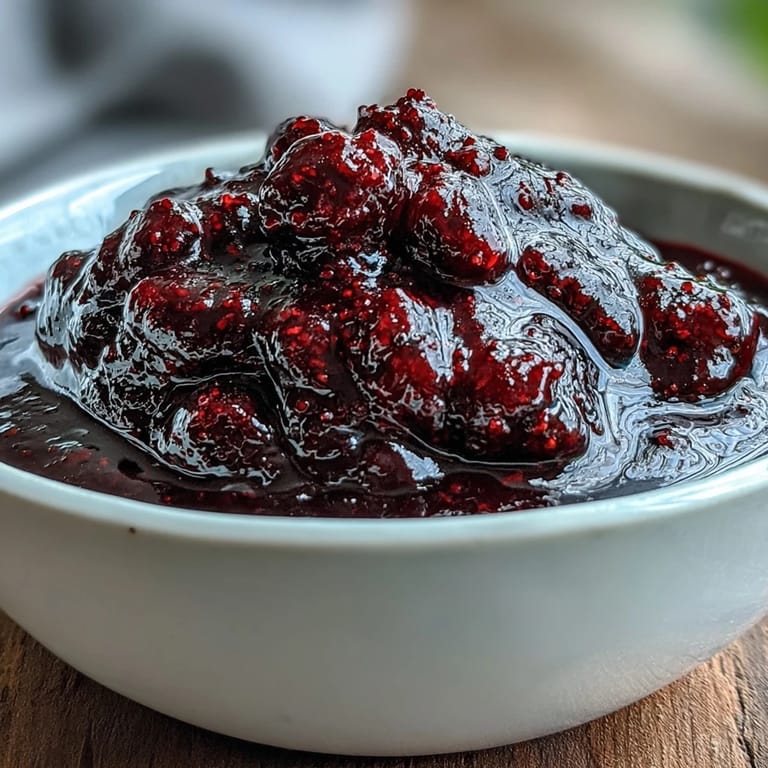
Save This sauce has become my answer to the question of how to turn an ordinary dinner into something memorable—it's the kind of thing that makes people ask for the recipe even though they'd never attempt it themselves. Once you've made it once and felt that moment when the butter transforms the liquid into silk, you'll reach for it again and again.
Recipe Q&A
- → What dishes pair best with black currant reduction?
Black currant reduction shines alongside rich, roasted meats like duck, pork tenderloin, or venison. It also elevates charcuterie boards, particularly when paired with pâté, terrines, or aged cheeses. The tangy-sweet profile cuts through fatty meats beautifully.
- → Can I use frozen black currants instead of fresh?
Absolutely. Frozen black currants work perfectly in reductions and often offer year-round availability when fresh are out of season. There's no need to thaw them first—simply add them directly to the saucepan.
- → How long does the sauce keep in the refrigerator?
You can store the sauce in an airtight container for up to 5 days. Gently reheat over low heat, stirring occasionally. Avoid boiling, as this may cause the butter to separate. If separation occurs, whisk vigorously while reheating.
- → What can I substitute for red wine?
For a non-alcoholic version, replace red wine with additional grape or pomegranate juice mixed with a splash of balsamic vinegar. You can also use port wine for a sweeter, richer profile, or try crème de cassis for intense black currant depth.
- → Why strain the sauce before adding butter?
Straining removes the cooked currant skins, seeds, and aromatics, creating a velvety smooth texture. This ensures the final sauce is refined and elegant, allowing the butter to emulsify properly without any fibrous bits interfering with the silky consistency.
- → How do I know when the reduction is ready?
The reduction is ready when the liquid has reduced by roughly half and coats the back of a spoon. You'll notice it becoming slightly syrupy with visible bubbles that linger longer on the surface. It should have a deep, concentrated flavor.