 Save
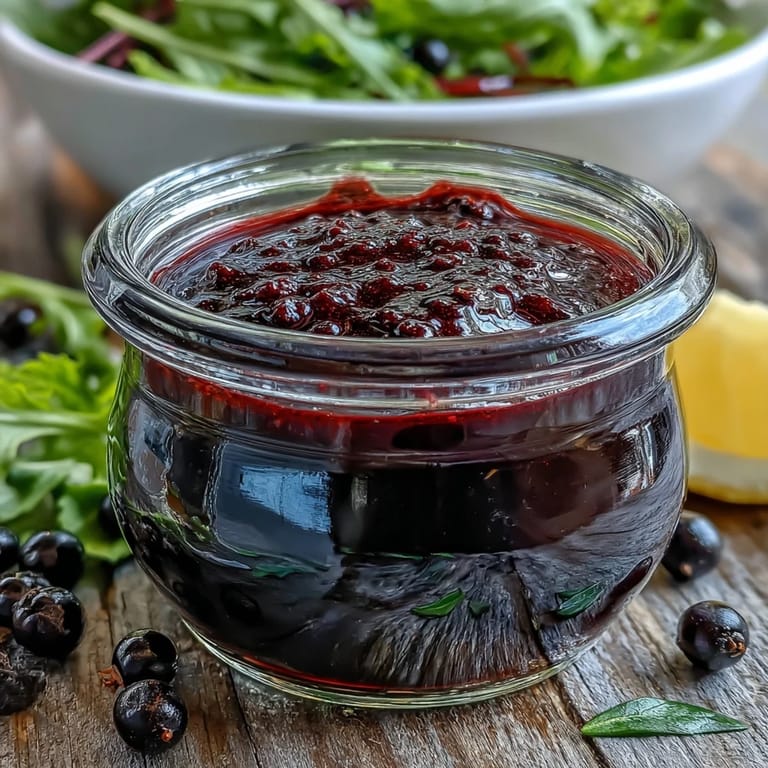
Save There's a moment in late summer when I'm standing in front of the farmer's market's juice stand, and the vendor hands me a small cup of black currant juice to taste. The intensity of it—that deep, almost tart punch—made me think immediately of salads and the way good vinaigrettes can transform a pile of greens into something memorable. That's when I decided to build a dressing around it, and what emerged was this vibrant, slightly sharp vinaigrette that's become my go-to for everything from simple spinach to roasted root vegetables.
I made this for a dinner party last spring when a guest arrived with a bag of roasted beets from their garden. We tossed them with fresh greens and a bottle of this vinaigrette, and somehow that simple salad became the thing people kept talking about as they left. It wasn't fancy or complicated, just the right balance of tart and rich, and a reminder that the best dishes don't need to try too hard.
Ingredients
- Black currant juice (1/4 cup, unsweetened): This is your star ingredient—the juice should be pure and without added sugar, so the tartness reads clean and bright rather than cloying.
- Red wine vinegar or apple cider vinegar (2 tablespoons): Red wine vinegar brings a deeper, more sophisticated note; apple cider is slightly fruitier and works beautifully if that's what you have on hand.
- Fresh lemon juice (1 tablespoon): A squeeze of brightness that keeps everything from feeling too heavy, and it prevents the dressing from oxidizing if you're storing it.
- Extra virgin olive oil (1/3 cup): Use something you actually like tasting on its own, because it's one of only a few ingredients here and it matters.
- Dijon mustard (1 teaspoon): The mustard acts as an emulsifier, which means it helps the oil and vinegar actually get along instead of separating the moment you pour it.
- Honey or maple syrup (1 teaspoon, optional): A touch of this rounds out the sharp edges if your black currant juice is particularly bold or if you prefer your vinaigrettes slightly less austere.
- Shallot (1 small, finely minced): Mince this as fine as you can—those little pieces dissolve into the dressing and add a gentle, oniony sophistication without overpowering anything.
- Sea salt and black pepper (1/4 teaspoon and 1/8 teaspoon): Taste as you go because these amounts are just a starting point, and salt makes everything taste more like itself.
Tired of Takeout? 🥡
Get 10 meals you can make faster than delivery arrives. Seriously.
One email. No spam. Unsubscribe anytime.
Instructions
- Gather your liquid base:
- In a medium bowl, combine the black currant juice, vinegar, and lemon juice. You'll notice how the color shifts slightly as you mix them—that's when you know the flavors are already starting to meld.
- Build the emulsion:
- Whisk in the Dijon mustard, honey (if you're using it), minced shallot, salt, and pepper until everything is well combined and looks cohesive. This takes maybe a minute of whisking.
- Introduce the oil slowly:
- This is the crucial part—drizzle the olive oil in steadily while whisking constantly, as if you're coaxing the oil and vinegar to become friends. The dressing will gradually thicken and turn silky as the mustard does its work.
- Taste and adjust:
- This is not optional. Dip a lettuce leaf in and taste it, then decide if it needs more salt, pepper, tartness, or sweetness. Everyone's preferences are different, and you should make this dressing for your own palate.
- Store or serve immediately:
- Use it right away if you want to keep the shallot pieces visible and slightly crunchy, or transfer it to a jar and refrigerate it for up to a week. Before each use, shake the jar vigorously.
 Save
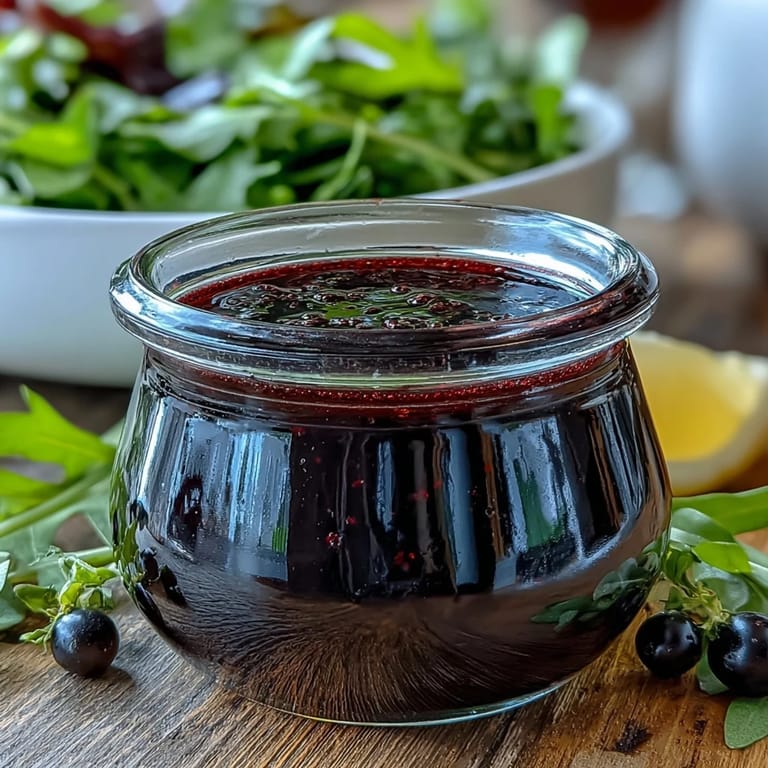
Save A friend once brought a salad to a potluck made with just tender greens, shaved radishes, and goat cheese, dressed with this vinaigrette. It was quiet and elegant in a way that made people slow down and actually taste their food instead of just eating around the table. That's when I realized this dressing has a way of making whatever it touches feel intentional.
When to Use This Vinaigrette
This dressing is less bossy than many vinaigrettes, which means it plays well with bold salad ingredients without drowning them out. It's beautiful on tender lettuces mixed with candied nuts and crumbled cheese, but it's equally at home coating roasted vegetables or grain salads where it adds color and complexity. Think of it as the dressing that makes people feel like you've put thought into dinner, even when you're really just assembling things that were already good.
Substitutions and Variations
If black currant juice isn't available or feels too exotic for your market, pomegranate juice or cranberry juice will give you a similar tartness and deep color, though the flavor profile will shift slightly toward those fruits instead. You could also experiment with a combination of juices—a mix of black currant and raspberry, for instance, or pomegranate and a splash of balsamic vinegar. The core technique stays the same, and half the fun is finding the combination that speaks to you.
Texture and Storage Tips
If you prefer an absolutely smooth dressing without any shallot bits visible, strain the whole thing through a fine mesh sieve after whisking everything together. This takes an extra minute but results in something more refined looking. As for storage, the dressing will last about a week in the refrigerator if kept in a sealed jar, though the shallot flavor will become more pronounced over time, which some people love and others find too strong.
- Shake the jar vigorously before each use to re-emulsify the dressing, which will have naturally separated slightly after sitting overnight.
- If you're making this ahead for a party, prepare it the morning of so the flavors are fresh and the emulsion is still glossy.
- A batch makes enough for about six generous salads, so plan accordingly or scale down the recipe if you're cooking for just one or two people.
 Save
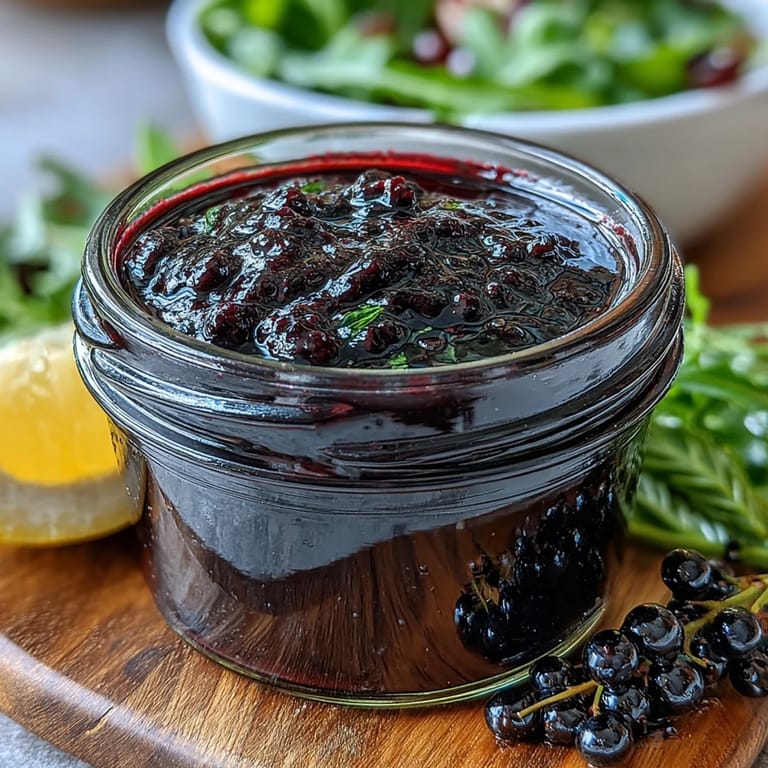
Save This vinaigrette exists in that perfect space where it feels special without requiring you to do anything complicated. Make it once and you'll find yourself reaching for it again and again, until someday you realize it's become as natural to you as pouring olive oil.
Recipe Q&A
- → What does black currant vinaigrette taste like?
The vinaigrette has a bold, tart flavor profile with deep berry notes from the black currant juice. The vinegar adds brightness while olive oil provides smoothness, creating a balanced dressing that's both tangy and rich.
- → How long does homemade vinaigrette last?
When stored in an airtight container in the refrigerator, this vinaigrette will stay fresh for up to 1 week. The oil may solidify when cold—simply let it sit at room temperature for a few minutes and shake well before using.
- → Can I substitute black currant juice?
Yes, pomegranate juice, cranberry juice, or even tart cherry juice work well as substitutes. Each will bring slightly different flavor notes while maintaining the tart, fruity character that makes this dressing special.
- → Why is Dijon mustard in vinaigrette?
Dijon mustard serves two purposes: it adds a subtle tangy flavor and acts as an emulsifier, helping the oil and vinegar blend smoothly together. This creates a creamy, cohesive dressing rather than separated ingredients.
- → What salads pair best with this vinaigrette?
This vinaigrette shines over mixed greens, spinach, arugula, or spring lettuce blends. It particularly complements salads featuring goat cheese, roasted beets, toasted nuts, or fresh berries. Also excellent over grain bowls and roasted vegetables.
- → Is this vinaigrette dairy-free?
Yes, this vinaigrette contains no dairy products. It's naturally vegan, gluten-free, and vegetarian. Always double-check your Dijon mustard label if you have specific dietary restrictions or allergies.