 Save
Save The first time I truly understood how food could tell a story was standing in a small spice market in Marrakech, watching vendors arrange paprika and sumac in perfect pyramids under the desert sun. Years later, back in my own kitchen, I wanted to recreate that sense of wonder—that feeling of vast dunes and warm hospitality—in something I could share with friends. The Sahara Dune was born from that moment, a playful appetizer that transforms simple chickpeas and bread into edible landscape art.
I served this at a dinner party when my neighbor mentioned she'd never tried homemade hummus—only the store-bought tubs she assumed were standard. Watching her scoop up that first spoonful and pause, genuinely tasting the difference, reminded me why cooking from scratch matters. The sculptured mounds felt almost too pretty to eat, but they disappeared in minutes anyway.
Ingredients
- Chickpeas (1 can, drained and rinsed): The creamy foundation that transforms into silk in the food processor—rinse them well to remove that starchy liquid that can make hummus gluey.
- Tahini (3 tbsp): The secret ingredient that deepens flavor and creates that signature velvety texture; buy good quality stuff because cheap tahini tastes bitter and hollow.
- Fresh lemon juice (2 tbsp): Brightens everything and keeps the hummus from tasting one-note; bottled won't deliver the same lift.
- Extra-virgin olive oil (2 tbsp, plus more for drizzling): Use an oil you'd actually drink straight because it's the final taste you notice.
- Garlic clove (1, minced): Fresh garlic gives a clean punch; roasted garlic (from the notes) adds sweetness if you want something gentler.
- Ground cumin (1/2 tsp): This is what makes it taste authentically Middle Eastern, warm and grounding without being heavy.
- Fine sea salt (1/2 tsp): Salt is how you coax hummus from tasting flat to tasting like itself; taste as you go.
- Cold water (2–3 tbsp): Add it slowly, one tablespoon at a time, so you hit that perfect creamy consistency without accidentally making soup.
- Pita breads (4 large): Cut into irregular shapes so they actually look like wind-carved dunes instead of uniform triangles.
- Olive oil for brushing (2 tbsp): Light hand here or the chips turn soggy instead of crispy.
- Smoked paprika (1/2 tsp) and ground cumin (1/4 tsp) for chips: These seasonings echo the hummus and tie the whole plate together visually and flavor-wise.
- Sumac or sweet paprika for garnish: Sumac adds a subtle tartness and that gorgeous rust-red color that makes the plate pop; paprika works if you can't find sumac.
- Fresh parsley (optional): A green garnish that feels fresher than it sounds.
Tired of Takeout? 🥡
Get 10 meals you can make faster than delivery arrives. Seriously.
One email. No spam. Unsubscribe anytime.
Instructions
- Heat the oven and prep your space:
- Set your oven to 375°F and line a baking sheet with parchment—this small step saves you from cleanup and prevents sticking.
- Sculpt dunes from pita:
- Cut your pita breads into irregular, curved triangles that actually look like rolling sand formations instead of geometric precision. Brush both sides lightly with olive oil so they toast evenly without turning greasy.
- Season and bake the chips:
- Sprinkle your pita pieces with smoked paprika, cumin, and salt, then arrange them in a single layer on the baking sheet. Bake for 8–10 minutes, turning them halfway through so they crisp evenly and develop golden edges without burning.
- Blend the hummus while chips cook:
- In your food processor, combine drained chickpeas, tahini, fresh lemon juice, olive oil, minced garlic, cumin, and salt. Pulse and blend until it's completely smooth and creamy, which takes longer than you think—at least 2–3 minutes.
- Reach the right texture:
- Add cold water one tablespoon at a time while blending, tasting after each addition until you hit that sweet spot between spreadable and spoonable. If you add water too fast, you'll end up with dip instead of sculpting material.
- Shape your desert landscape:
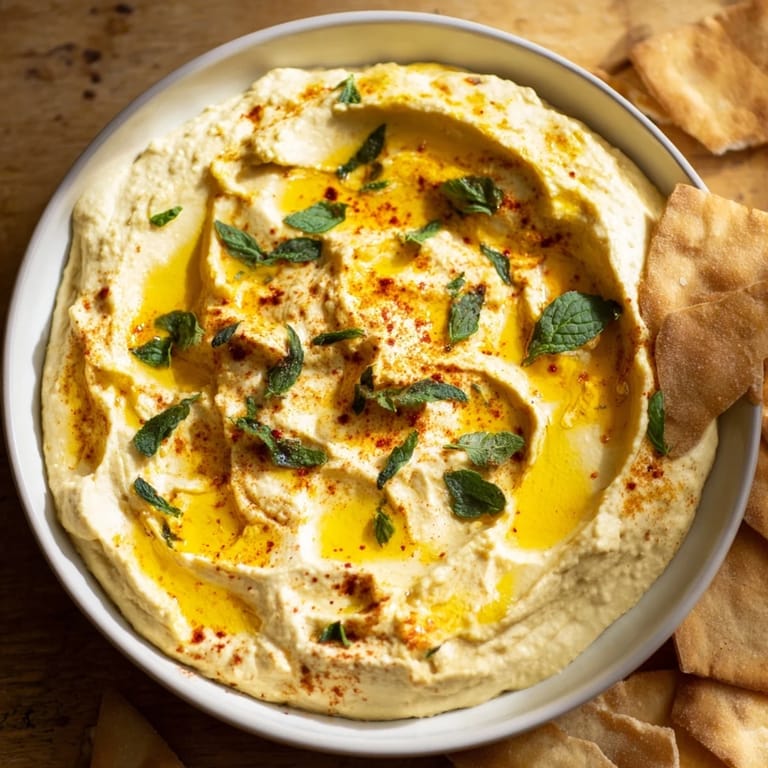
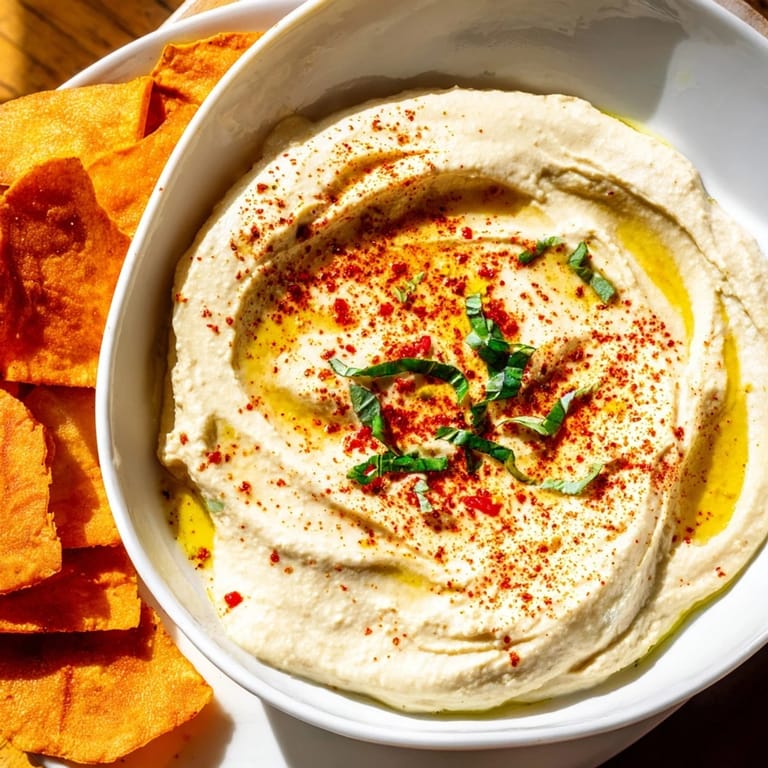
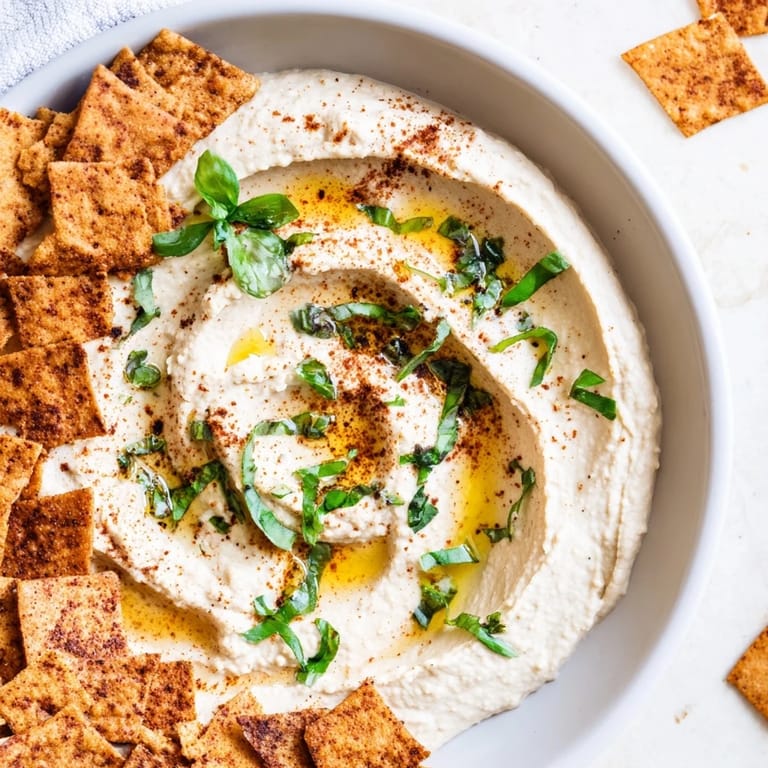
- Spread the hummus onto your serving platter and use the back of a spoon or an offset spatula to create smooth, undulating mounds that actually evoke rolling dunes. The shaping matters more than you'd expect—it's what transforms this from appetizer to edible art.
- Garnish and arrange:
- Drizzle your hummus mounds with good olive oil, dust with sumac or paprika, and scatter fresh parsley if using. Arrange your crispy pita chips around the edges like scattered treasures.
 Save
Save I once made this for a potluck where someone had brought three store-bought hummus containers, and somehow my humble homemade version disappeared first. That's the real magic here—not just that it tastes better, but that the care shows.
The Story Behind the Sahara
Every dish worth making tells a story, and this one carries the memory of standing in desert light, watching commerce and community happen in those spice markets. The name isn't just whimsy—it's a reminder that appetizers can be theatrical without being complicated, and that sometimes the best meals start with simple ingredients arranged with intention. When you sculpt those hummus mounds, you're not just making food; you're creating a moment.
Making It Your Own
The beauty of this recipe is how many directions you can take it without losing its soul. Roasted garlic instead of raw creates a sweeter, more mellow hummus that different crowds will prefer—I learned this after burning my mouth on raw garlic one too many times and realizing gentler was better for evening gatherings. A pinch of cayenne adds heat without drama. Some friends swear by adding a tablespoon of Greek yogurt for extra creaminess, though I find it dilutes the hummus flavor.
Pita Chips Perfected
The pita chips are where texture magic lives, and there's definitely a learning curve. I've pulled them out too early when they were still floppy and too late when they turned bitter. The trick is watching them actually change color—they go from pale to golden to deeply bronzed, and you want to catch them somewhere between golden and the moment before brown.
Serving and Pairing Strategies
Serve this on your prettiest platter and people will remember it longer than if you served something that took twice as long. Arrange the chips casually around the hummus mounds so guests can scoop at different angles, creating their own dune-inspired patterns. This is the kind of appetizer that works at casual dinners, fancy gatherings, or when friends drop by unexpectedly.
- Pair with crisp white wine like Sauvignon Blanc, or sparkling water with fresh lemon if you're keeping it alcohol-free.
- Serve sliced cucumbers and carrots alongside for those who want lighter vessels for the hummus.
- Make it ahead by preparing both components separately, then assemble and plate just before guests arrive for maximum visual impact.
 Save
Save This recipe taught me that sometimes the most memorable dishes aren't the ones that take all day—they're the ones that arrive with care and taste like genuine love. That's the real Sahara Dune.
Recipe Q&A
- → How can I achieve smooth hummus texture?
Blend chickpeas thoroughly with tahini, olive oil, lemon juice, and cold water added gradually to reach a creamy consistency.
- → What spices enhance the pita chips?
Smoked paprika, ground cumin, and fine sea salt give the chips a warm, earthy flavor complementing the hummus.
- → Can I make this dish gluten-free?
Yes, substitute pita chips with gluten-free crackers or breads to accommodate dietary needs.
- → What is the best way to shape the hummus presentation?
Use a spoon or offset spatula to form smooth, rolling mounds, evoking sand dunes for an artistic effect.
- → What garnishes pair well with this dish?
Drizzling extra virgin olive oil, dusting sumac or sweet paprika, and adding fresh parsley enhance both flavor and visual appeal.