 Save
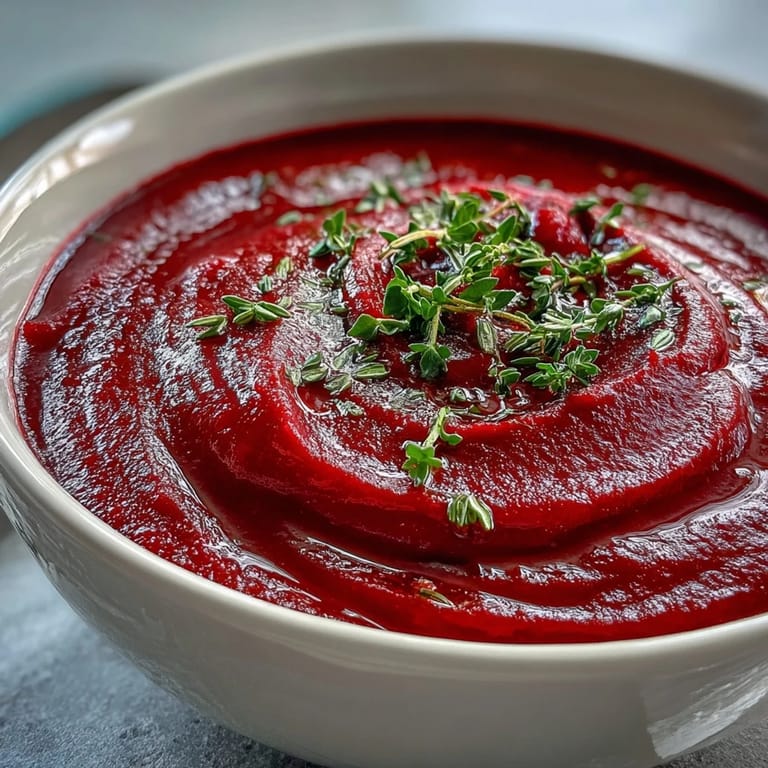
Save The first time I made roasted beet soup was during an unexpected autumn cold snap. I had harvested the last beets from my garden, their ruby flesh still warm from the soil when I pulled them up. Standing in my kitchen with rain pattering against the windows, I remember thinking how perfectly the earthy sweetness of beets would translate into something warm and comforting. The vibrant magenta color that bloomed as I pureed the soup literally made me gasp—nature's own food coloring working its magic right before my eyes.
Last winter, I brought a thermos of this beet soup to my friends cabin for a weekend getaway. We had spent hours hiking through snow-dusted trails, and when we returned, cheeks flushed from the cold, I poured steaming cups of this vibrant soup. The looks on their faces as they took their first sips—eyes closing, shoulders relaxing—told me everything I needed to know. Even my friend who claimed to hate beets asked for seconds, then quietly requested the recipe before we left.
Ingredients
- Beets: Look for firm, smooth-skinned beets with the greens still attached if possible, as fresher beets have a sweeter, more complex flavor than older ones.
- Vegetable broth: I once made this with homemade mushroom stock instead of vegetable broth, and the earthy undertones elevated the soup to restaurant quality—worth the extra effort if you have time.
- Heavy cream: This adds a silky richness that balances the earthy beet flavor, but Ive used coconut cream for vegan guests with excellent results too.
- Lemon juice: Dont skip this seemingly small ingredient—it brightens the whole soup and cuts through the earthiness with just the right amount of acidity.
- Fresh thyme: The fragrant herbal notes complement the sweetness of roasted beets perfectly, though rosemary makes a wonderful substitute if thats what you have on hand.
Tired of Takeout? 🥡
Get 10 meals you can make faster than delivery arrives. Seriously.
One email. No spam. Unsubscribe anytime.
Instructions
- Roast those beautiful beets:
- Wrap each beet individually in foil like youre tucking them in for a nice, warm nap in a 400°F oven. Theyll need about 40-45 minutes until fork-tender, and your kitchen will slowly fill with their sweet, earthy aroma.
- Build your flavor base:
- While the beets transform in the oven, sauté the diced onion and carrots in olive oil until they soften and begin to sweeten. Add the garlic just for the last minute—you want that fragrance without any bitterness from burning.
- Create the vibrant mixture:
- Once your beets have cooled enough to handle, their skins should slip right off with gentle pressure from your thumbs. Chop them up and add to your pot with the thyme, salt, and pepper, letting all those flavors get acquainted.
- Simmer and blend:
- After adding the vegetable broth and simmering for about 10 minutes, its time for the transformation. With an immersion blender, watch as the ingredients meld into a silky, vibrant puree that practically glows.
- Finish with richness:
- Stir in the heavy cream and lemon juice off the heat, watching the color shift from deep ruby to a softer magenta. This is when I always take a small taste and add an extra pinch of salt if needed—heat can dull seasoning.
 Save
Save A few summers ago, I served this chilled with a swirl of Greek yogurt at an outdoor gathering, passing it in little shot glasses as an amuse-bouche. My normally boisterous group of friends fell silent for a moment, taking in the unexpected temperature twist and gorgeous color. When conversation resumed, it centered entirely around the soup—how had I made it so velvety, so balanced? That evening, this humble beet soup elevated our simple backyard dinner into something memorable, proving yet again that food has this magical way of creating moments.
Garnishing Your Masterpiece
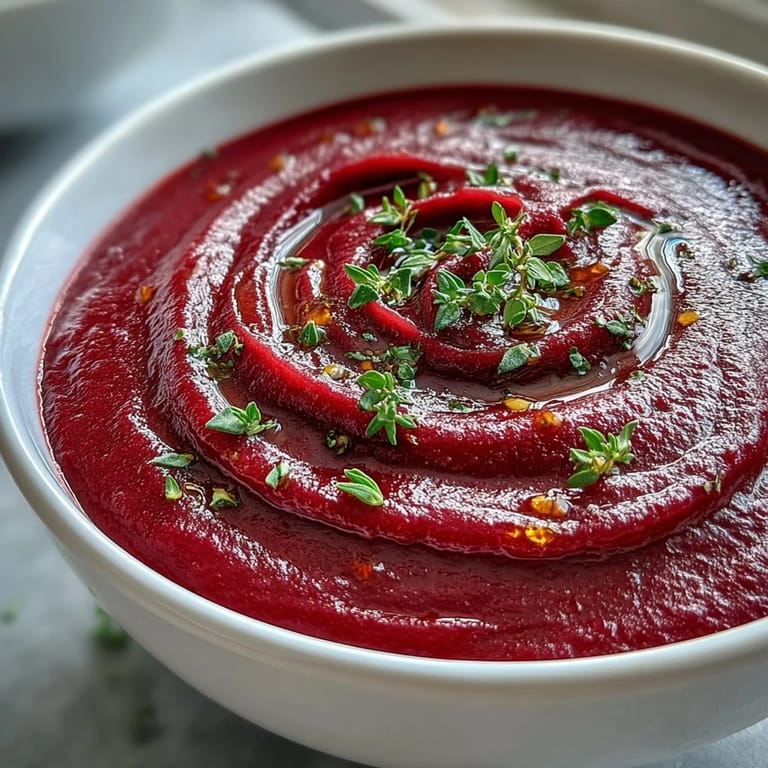
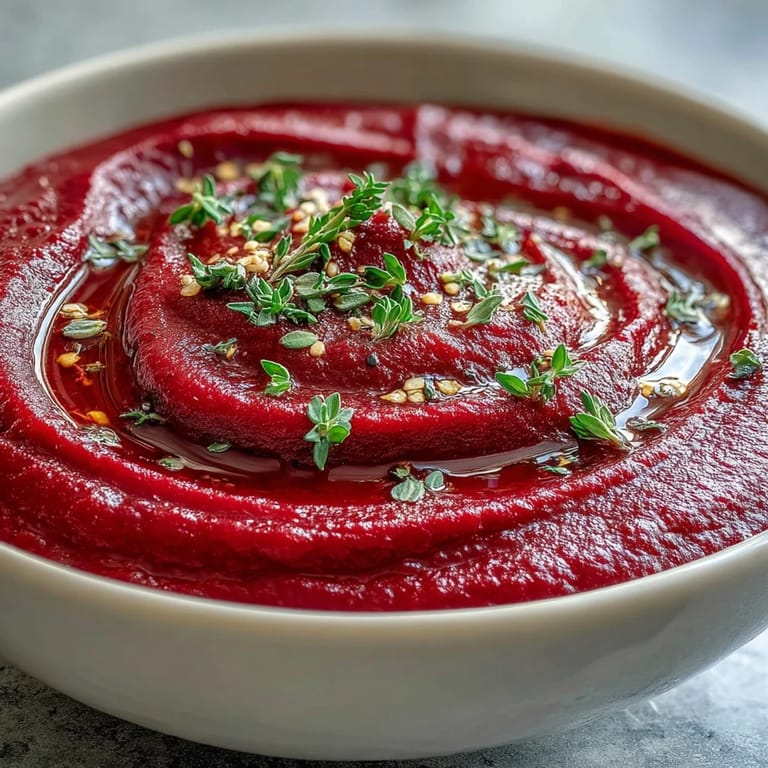
The brilliant magenta canvas of this soup practically begs for artistic flourishes. Ive discovered that a thin spiral of cream creates dramatic contrast against the vivid background, while tiny sprigs of fresh thyme add pops of green that enhance both flavor and presentation. For texture contrast, I sometimes add a sprinkle of toasted pumpkin seeds or a small crumble of tangy goat cheese that slowly melts into the hot soup, creating pockets of creamy richness throughout each spoonful.
Seasonal Variations
Through countless iterations of this recipe, Ive found that golden beets create a stunning sunset-colored variation with a slightly milder flavor profile that even hesitant beet-eaters tend to enjoy. In late summer, when my garden is overflowing, I sometimes add a handful of roasted cherry tomatoes to the base for a subtle sweetness that plays beautifully with the beets. Winter versions benefit from a warming pinch of cinnamon and allspice, turning this into a soul-warming meal that somehow tastes like coming home after being out in the cold.
Serving Suggestions
This vibrant soup deserves companions that complement without overwhelming its delicate balance of flavors. Ive served it alongside simple grilled cheese sandwiches made with sharp cheddar and grainy mustard for casual family dinners that feel somehow special. For more formal occasions, small cups of this soup make stunning starters before a main course of herb-roasted chicken or mushroom risotto.
- A slice of rustic sourdough bread brushed with good olive oil and lightly toasted makes the perfect edible spoon for savoring every last drop.
- For wine lovers, a crisp Sauvignon Blanc or unoaked Chardonnay balances the earthy sweetness of the beets beautifully.
- Remember that this soup can be served hot in winter or chilled in summer—just adjust the garnishes accordingly, perhaps using dill instead of thyme for cold versions.
 Save
Save Every time I make this roasted beet soup, Im reminded that the most beautiful dishes often come from the simplest ingredients. Whether youre serving it to skeptical beet-avoiders or devoted root vegetable enthusiasts, this vibrant bowl offers both comfort and elegance in equal measure.
Recipe Q&A
- → What makes roasted beet soup taste better than using raw beets?
Roasting beets concentrates their natural sugars and creates a deeper, earthier flavor profile that you cannot achieve with raw beets. The high-heat roasting process caramelizes the vegetables slightly, resulting in a more complex and rich soup base.
- → Can I make this soup ahead of time?
Absolutely. This soup actually develops more flavor when made ahead and stored in the refrigerator for 1-2 days. The ingredients have time to meld together, intensifying the taste. Reheat gently over low heat, stirring occasionally, and add a splash of broth if needed to adjust consistency.
- → What herbs pair well with beet soup?
Fresh thyme works beautifully as specified, but other excellent options include dill, which complements the earthy sweetness, or fresh basil for a brighter contrast. For garnish, try fresh chives, parsley, or even cilantro if you enjoy its citrusy notes.
- → How do I achieve the smoothest texture?
Use an immersion blender directly in the pot for easiest results, or work in batches with a high-speed countertop blender. For ultra-smooth results, press the puréed soup through a fine-mesh sieve after blending. This extra step removes any fibrous bits for a restaurant-quality silky finish.
- → What protein-rich toppings work well?
Crumbled goat cheese or feta adds creamy tang and protein. Toasted pumpkin seeds or sunflower seeds provide crunch and substance. For a heartier version, top with diced hard-boiled eggs or serve alongside crusty bread with cheese for a complete light meal.