 Save
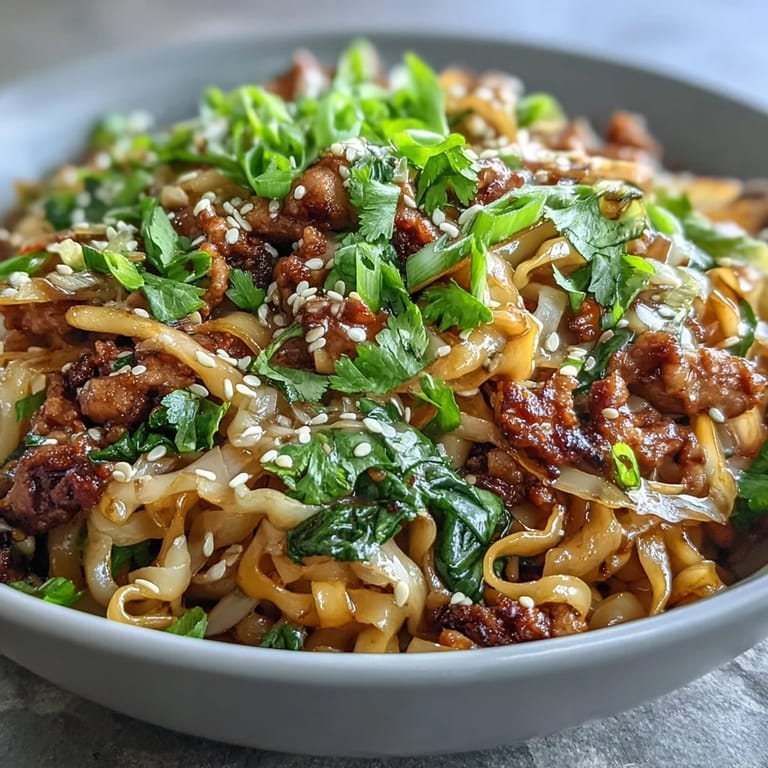
Save My brother challenged me to turn his favorite takeout appetizer into dinner, and I laughed until I actually tried it. The rich, savory filling of potstickers, the tangy dipping sauce, the crisp edges—it all belonged in a noodle bowl. After one taste, he stopped ordering delivery. Now this is what we make when we want something that feels indulgent but comes together faster than waiting for the doorbell to ring.
I made this for a small dinner party on a rainy Tuesday, and everyone went quiet after the first forkful. One friend asked if I had secretly ordered from the restaurant down the street. The smell of browning pork, toasted sesame oil, and ginger filled the kitchen so completely that my neighbor texted asking what I was cooking. That night, I realized this dish does not need a special occasion—it creates one.
Ingredients
- Rice noodles: They stay tender and silky, soaking up the sauce without getting mushy, and they cook in under six minutes.
- Ground pork: It browns beautifully and has just enough fat to stay juicy and flavorful when seasoned dumpling-style.
- Soy sauce, sesame oil, and white pepper: These three ingredients are the soul of dumpling filling, giving the meat that unmistakable savory depth.
- Garlic and ginger: Freshly minced, they release a fragrance that makes your kitchen smell like a dim sum restaurant.
- Green cabbage and carrots: They add crunch, color, and a touch of sweetness that balances the salty, umami-rich sauce.
- Chili-garlic sauce: A spoonful brings heat and tang, mimicking the kick of a good potsticker dipping sauce.
- Rice vinegar and brown sugar: Together, they create that sweet-and-sour contrast that makes you want another bite immediately.
- Toasted sesame seeds and cilantro: They add a final layer of nuttiness and freshness that lifts the whole bowl.
Tired of Takeout? 🥡
Get 10 meals you can make faster than delivery arrives. Seriously.
One email. No spam. Unsubscribe anytime.
Instructions
- Prepare the noodles:
- Boil them until just tender, then drain and rinse quickly to stop the cooking. Toss with a few drops of oil so they do not clump while you finish the rest.
- Season the meat:
- Whisk the soy sauce, sesame oil, cornstarch, white pepper, sugar, and salt together, then fold it gently into the ground pork until it feels slightly sticky and cohesive. If you add a tablespoon of minced napa cabbage, the meat stays even more tender and juicy.
- Make the sauce:
- Combine soy sauce, rice vinegar, oyster sauce, chili-garlic sauce, sesame oil, brown sugar, and broth in a bowl. Whisk until the sugar dissolves and taste it—you should want to drink it straight from the spoon.
- Prepare the vegetables:
- Shred the cabbage and carrots, slice the mushrooms thin, and separate the white and green parts of the scallions. Having everything ready makes the cooking fast and smooth.
- Brown the meat:
- Heat oil in a large skillet over medium-high heat, add the seasoned pork in an even layer, and let it sit undisturbed for two to three minutes. Those crispy, caramelized edges are where the flavor lives.
- Add aromatics:
- Push the meat to one side, add a little more oil, then toss in the garlic, ginger, and scallion whites. Stir for thirty seconds until the smell makes you lean closer to the pan.
- Cook vegetables:
- Add the mushrooms first and let them soften, then toss in the cabbage and carrots. Stir-fry until the cabbage wilts but still has a bite, about three to four minutes.
- Combine with sauce:
- Pour the prepared sauce over everything and toss well to coat. Let it simmer for a minute or two until it thickens slightly and clings to the meat and vegetables.
- Add noodles:
- Gently fold in the cooked noodles, tossing until every strand is coated. If it looks dry, add a splash of water or broth to loosen it up.
- Finish and serve:
- Taste and adjust with more soy sauce, chili-garlic sauce, or a squeeze of lime. Stir in half the green onion tops, then divide into bowls and top with cilantro, sesame seeds, and the remaining scallions.
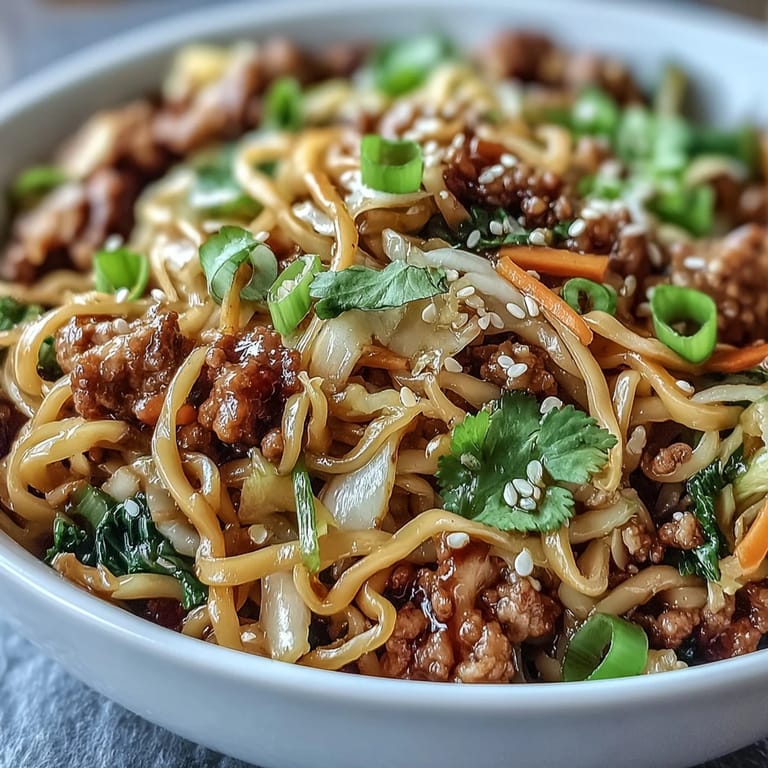 Save
Save One night, I made this for my mom, who grew up eating homemade dumplings every weekend. She took one bite, smiled, and said it tasted like the filling she used to sneak from the bowl before her grandmother folded them. That is when I knew this recipe was more than just a shortcut—it was a bridge to something warm and familiar.
Choosing Your Noodles
Rice noodles give you that silky, delicate texture that soaks up sauce without competing for attention. Wheat-based lo mein noodles are chewier and heartier, holding their shape even when tossed aggressively. I have used both, and the choice comes down to whether you want something light and clean or rich and satisfying. Either way, cook them just until tender and rinse them quickly to keep them from sticking together in a clumpy mess.
Balancing the Sauce
The sauce should taste bold on its own—salty, tangy, a little sweet, and just spicy enough to make you notice. I learned this after making a bland batch that tasted like it was missing something I could not name. Now I always taste it before pouring it into the pan, adjusting the chili-garlic sauce or brown sugar until it makes me want to lick the spoon. Once it hits the hot skillet and mingles with the caramelized pork and vegetables, it becomes even more complex and layered.
Storing and Reheating
Leftovers keep well in the fridge for up to three days, and honestly, they taste even better the next day when the noodles have absorbed more of the sauce. Reheat gently in a skillet over medium heat with a splash of water or broth to loosen everything up. You can also microwave it, but add a tablespoon of water and cover it loosely to keep the noodles from drying out.
- Store the noodles and sauce together in an airtight container to keep the flavors mingling.
- If you want to meal prep, cook the meat and vegetables ahead and toss with freshly boiled noodles when you are ready to eat.
- Top with fresh herbs and sesame seeds right before serving so they stay bright and crunchy.
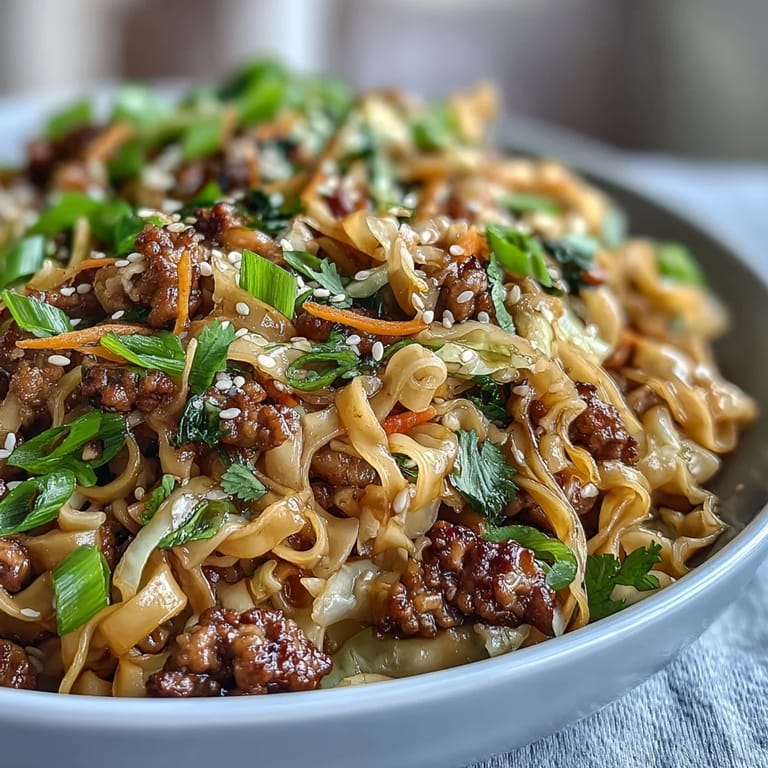 Save
Save This bowl has become my answer to busy weeknights, last-minute cravings, and moments when I want something that feels special without the fuss. It reminds me that the best meals are not always the ones that take the longest—they are the ones that make you stop, breathe in deeply, and smile before you even take a bite.
Recipe Q&A
- → Can I use different noodles?
Yes, rice noodles, lo mein, or even udon work well. Just adjust cooking time accordingly based on package instructions.
- → Is this gluten-free?
It can be! Use rice noodles, gluten-free tamari instead of soy sauce, and gluten-free oyster sauce.
- → Can I make it vegetarian?
Absolutely. Substitute ground pork with crumbled tofu or plant-based meat, and use vegetarian oyster sauce.
- → How spicy is this dish?
Mild to medium heat from the chili-garlic sauce. Adjust the amount or omit for a milder version.
- → Can I prep ahead?
Yes. Chop vegetables and mix sauce in advance. Cook meat and vegetables just before serving for best texture.
- → What else can I add?
Soft-boiled eggs, edamame, baby bok choy, or shredded chicken make great additions or substitutions.