 Save
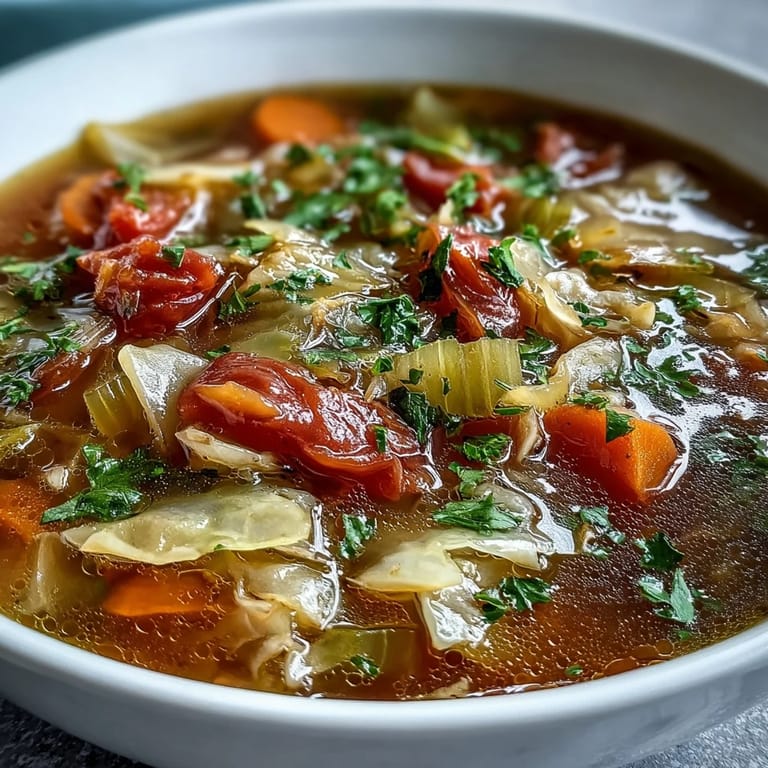
Save The first time I made cabbage soup was during a particularly cold January when my budget was tight and my pantry nearly empty. I discovered that humble cabbage, which I'd previously underestimated, created this incredible depth of flavor when simmered slowly with simple vegetables. The kitchen filled with a comforting aroma that seemed to wrap around me like a warm blanket, making me realize sometimes the simplest ingredients create the most satisfying meals.
Last winter, my neighbor caught a terrible cold, and I remembered my grandmother saying that homemade soup was the best medicine. I carried over a container of this cabbage soup, and she texted me three days later saying shed made her own batch because it was the only thing that made her feel human again. Something about the simplicity of vegetables simmering together creates a surprising magic that exceeds the sum of its humble parts.
Ingredients
- Small green cabbage: The hero of our soup transforms completely when cooked, losing any sulfurous notes and becoming surprisingly sweet and tender.
- Carrots and celery: This classic mirepoix foundation builds a flavor base that no commercial broth can match.
- Diced tomatoes: They add just enough acidity to brighten all the other vegetables without making the soup too tomatoey.
- Vegetable broth: Look for low sodium versions so you can control the saltiness yourself.
- Dried herbs: Thyme and oregano infuse the broth with an earthy depth that makes this soup taste like its been cooking all day.
Tired of Takeout? 🥡
Get 10 meals you can make faster than delivery arrives. Seriously.
One email. No spam. Unsubscribe anytime.
Instructions
- Start with a flavor foundation:
- Heat that tablespoon of olive oil until it shimmers, then add your diced onion, carrots and celery. Youll know youre on the right track when your kitchen starts to smell incredible about 5 minutes in.
- Add the aromatics:
- Stir in the minced garlic just until you can smell its perfume, usually about a minute. Resist the urge to add it earlier or itll burn and taste bitter.
- Layer in the vegetables:
- Now add your bell pepper, optional zucchini and the star of the show, cabbage. Give everything a good stir so the olive oil lightly coats all the vegetables.
- Build the broth:
- Pour in those tomatoes and vegetable broth, then sprinkle in all your herbs and seasonings. The liquid should just cover everything, creating the perfect soup-to-vegetable ratio.
- Let it simmer:
- Bring everything to a gentle boil before reducing to a low simmer. Cover and let those flavors meld together for about 30 minutes, until all the vegetables surrender their individual identities to become one harmonious soup.
- Finish with brightness:
- Taste and adjust the seasoning, adding that squeeze of lemon juice if you want to lift all the flavors. Fresh parsley scattered over each bowl adds both color and a burst of fresh flavor.
 Save
Save I brought this soup to a friend's potluck where everyone was bringing elaborate dishes with long ingredient lists. I almost felt embarrassed setting down my pot of simple cabbage soup among all the fancy offerings. By the end of the night, three people had asked for the recipe, and one person admitted she'd gone back for thirds. It reminded me that food doesn't need to be complicated or expensive to bring people genuine comfort.
Simple Additions for Variety
I've made this soup dozens of times, and it's become a canvas for whatever needs using up in my refrigerator. Sometimes I'll add a handful of frozen peas in the last few minutes, or stir in some leftover roasted sweet potatoes. The soup seems to welcome almost any vegetable you introduce, somehow making room for the newcomer while maintaining its comforting character.
Making It a Complete Meal
While delicious on its own, I've discovered this soup pairs beautifully with a slice of crusty bread or a simple quesadilla on the side. For protein, I often stir in a can of drained white beans or chickpeas during the last five minutes of cooking. The beans absorb the flavors of the broth while making the soup substantially more filling without much additional effort.
Storage and Batch Cooking
This soup has saved my weeknight dinner struggles more times than I can count. I often double the recipe on Sunday afternoons, portioning it into containers for grab-and-go lunches throughout the week. The flavors continue to develop, making day three soup somehow even better than day one.
- Store in airtight containers in the refrigerator for up to 5 days, reheating gently on the stovetop or microwave.
- Freeze flat in ziplock bags for up to 3 months, thawing overnight in the refrigerator before reheating.
- If the soup thickens too much after storage, simply add a splash of broth or water when reheating.
 Save
Save This humble cabbage soup reminds me that sometimes the most nurturing foods are also the simplest. Whether youre making it for yourself or someone you care about, it carries a kind of edible comfort that somehow speaks directly to the soul.
Recipe Q&A
- → How long does this soup keep in the refrigerator?
Leftovers stay fresh refrigerated for up to 4 days. The flavors actually deepen and improve overnight, making this an excellent option for preparing ahead of time.
- → Can I freeze this cabbage soup?
Yes, this soup freezes beautifully. Allow it to cool completely before transferring to airtight containers. It will keep for up to 3 months in the freezer. Thaw overnight in the refrigerator before reheating.
- → What can I add for more protein?
Drained white beans or chickpeas work wonderfully added during the last 15 minutes of simmering. Lentils also complement the flavors and cook directly in the broth.
- → Can I use different vegetables?
Absolutely. Spinach or kale can be stirred in during the last 5 minutes. You can also substitute other vegetables like green beans, diced potatoes, or chopped Swiss chard based on what you have available.
- → Is this suitable for specific dietary needs?
This soup is naturally vegan, gluten-free, and low calorie. It's free from common allergens including dairy, eggs, nuts, and soy. Always verify your vegetable broth ingredients to ensure they meet your dietary requirements.
- → How can I make it more filling?
Serve with a slice of whole-grain bread or add cooked grains like rice or quinoa directly to the soup. Adding protein-rich beans also increases the satiety factor significantly.