 Save
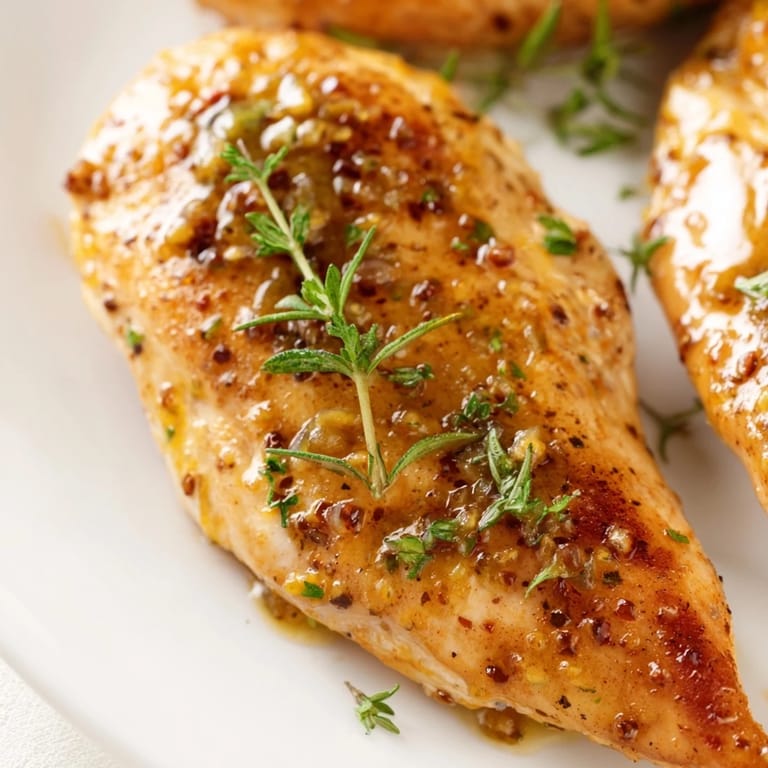
Save The smell of garlic hitting hot oil always pulls me into the kitchen, no matter what room I'm in. This honey Dijon chicken skillet came about on a Thursday when I had exactly four ingredients I felt confident about and a desperate need for dinner to taste like I'd tried. The first batch was heavier on the mustard than I intended, but my husband cleaned his plate anyway and asked if it was "supposed to taste this good." I've been making it ever since, tweaking the balance until the sauce clung to the chicken just right. It's become my answer to chaos, the kind of meal that feels like a small win.
I made this for my sister after she had her second baby, and she texted me later that night asking for the recipe. She said it was the first thing she'd eaten in weeks that didn't come from a container or require assembly. I brought her a double batch the following week with a jar of extra sauce on the side. She still brings it up at family dinners, usually right before asking if I've made it recently.
Ingredients
- Boneless, skinless chicken breasts: Pat them dry before seasoning so they sear instead of steam, and if they're uneven, pound them gently to ensure they cook at the same rate.
- Dijon mustard: This is the backbone of the sauce, offering sharpness and body without being overpowering.
- Honey: Balances the mustard's bite and helps the sauce cling to the chicken as it simmers.
- Whole-grain mustard: Adds texture and a deeper, earthier mustard flavor that rounds out the Dijon.
- Garlic: Use fresh cloves and mince them finely so they melt into the sauce instead of staying sharp.
- Apple cider vinegar: Brightens everything and keeps the sauce from feeling too heavy or sweet.
- Chicken broth: Low-sodium works best so you control the salt, and it helps thin the sauce just enough to coat without being runny.
- Fresh thyme and rosemary: These herbs bring warmth and fragrance, but if you only have dried, use half the amount and add them early so they soften.
- Olive oil: A good quality oil makes a difference when you're searing, giving the chicken a golden crust.
- Fresh parsley: Optional, but a handful of chopped parsley at the end makes the dish look and taste brighter.
Tired of Takeout? 🥡
Get 10 meals you can make faster than delivery arrives. Seriously.
One email. No spam. Unsubscribe anytime.
Instructions
- Season and prep the chicken:
- Pat the chicken breasts completely dry with paper towels, then season both sides generously with salt and pepper. Dry chicken sears better and won't steam in the pan.
- Sear the chicken:
- Heat olive oil in a large skillet over medium-high heat until it shimmers, then add the chicken and let it cook undisturbed for 3 to 4 minutes per side until golden brown. Transfer the chicken to a plate and set aside.
- Build the sauce base:
- Lower the heat to medium, add the minced garlic to the skillet, and stir for about 30 seconds until it smells sweet and toasted. Don't let it burn or it'll taste bitter.
- Whisk in the sauce:
- Add the Dijon mustard, whole-grain mustard, honey, apple cider vinegar, and chicken broth, whisking everything together until smooth. Let it come to a gentle simmer so the flavors start to marry.
- Add herbs and simmer:
- Stir in the thyme and rosemary, then nestle the chicken breasts back into the skillet and spoon some sauce over the tops. Cover the skillet and let it simmer for 10 to 12 minutes, until the chicken reaches an internal temperature of 165°F.
- Thicken and finish:
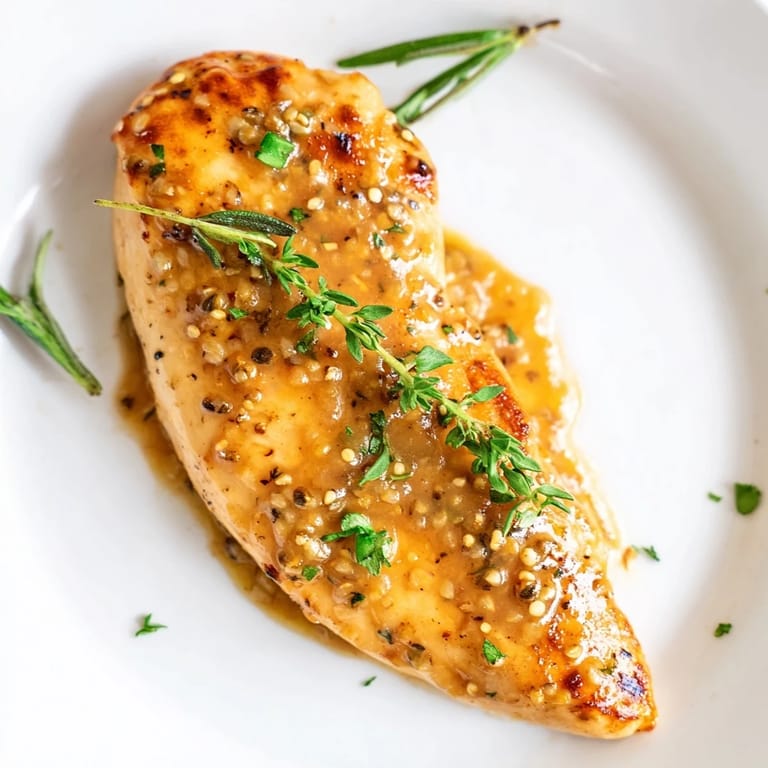
- Remove the lid, increase the heat slightly, and simmer uncovered for 2 to 3 minutes to reduce the sauce until it coats the back of a spoon. Garnish with chopped parsley and serve hot.
 Save
Save The first time I served this to friends, one of them scraped the skillet with bread and declared it the best part of the meal. Now I always make extra sauce, because someone will ask for it. It's the kind of dish that turns a regular Tuesday into something people remember, not because it's fancy, but because it's honest and satisfying.
What to Serve It With
This sauce begs for something to soak it up, so I usually reach for rice, mashed potatoes, or even a pile of buttered egg noodles. Roasted vegetables like carrots, Brussels sprouts, or green beans work beautifully on the side, especially if you toss them with a little olive oil and thyme. A simple green salad with a tart vinaigrette cuts through the richness and makes the plate feel complete.
How to Store and Reheat
Store the chicken and sauce together in an airtight container in the fridge for up to three days. When you reheat it, do it gently on the stovetop with a splash of chicken broth or water to loosen the sauce, because microwaving can dry out the chicken. If you're meal prepping, this holds up beautifully and actually tastes better after the flavors have had time to settle overnight.
Swaps and Variations
Chicken thighs are more forgiving than breasts and stay juicy even if you overcook them slightly, just add a few extra minutes to the simmer. For a creamier version, stir in two tablespoons of heavy cream or sour cream at the very end, off the heat. If you want more depth, a splash of white wine in place of some of the broth adds a subtle brightness that pairs especially well with the herbs.
- Try adding a teaspoon of smoked paprika for a hint of warmth and color.
- Swap the honey for maple syrup if that's what you have, it'll be slightly less floral but just as good.
- Use boneless pork chops instead of chicken for a different take on the same sauce.
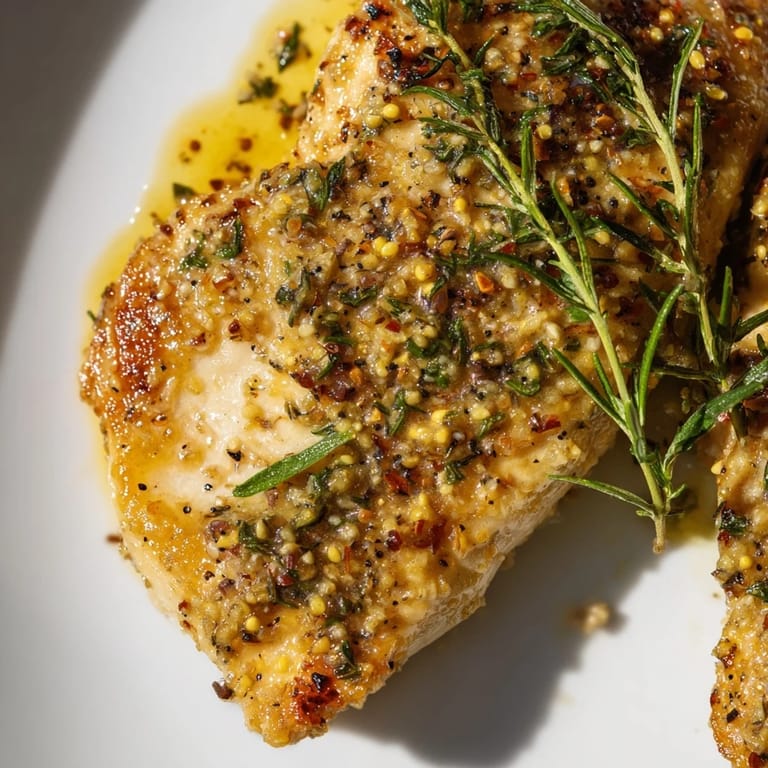 Save
Save This is the kind of recipe that makes you look like you know what you're doing, even on nights when you barely do. Keep it in your back pocket for when you need something reliable, delicious, and quick.
Recipe Q&A
- → Can I use chicken thighs instead of breasts?
Yes, chicken thighs work beautifully and offer more juiciness. They'll require slightly longer cooking time, about 15-18 minutes covered, depending on thickness. Check that the internal temperature reaches 165°F before serving.
- → How do I thicken the sauce?
After the chicken is cooked through, remove the lid and simmer uncovered for 2-3 minutes over slightly increased heat. The sauce will naturally reduce and thicken. For a creamier texture, stir in 2 tablespoons of heavy cream at the end of cooking.
- → What are good side dishes?
This pairs wonderfully with creamy mashed potatoes, fluffy rice, or roasted seasonal vegetables like Brussels sprouts and carrots. The sweet-tangy sauce complements starches and roasted vegetables equally well.
- → Is this truly gluten-free?
The ingredients are naturally gluten-free, but verify your chicken broth and Dijon mustard labels, as some brands add thickeners or other additives containing gluten. Many major brands offer certified gluten-free options.
- → What wine pairs with this dish?
A lightly oaked Chardonnay complements the honey and mustard flavors beautifully. The wine's acidity balances the sweetness of the honey while its subtle oak adds depth to the overall pairing.
- → Can I prepare this ahead?
You can prep ingredients in advance—mince garlic, chop herbs, and whisk the sauce mixture. Store in the refrigerator for up to 24 hours. Cook when ready to serve for the best texture and fresh herb flavor.