 Save
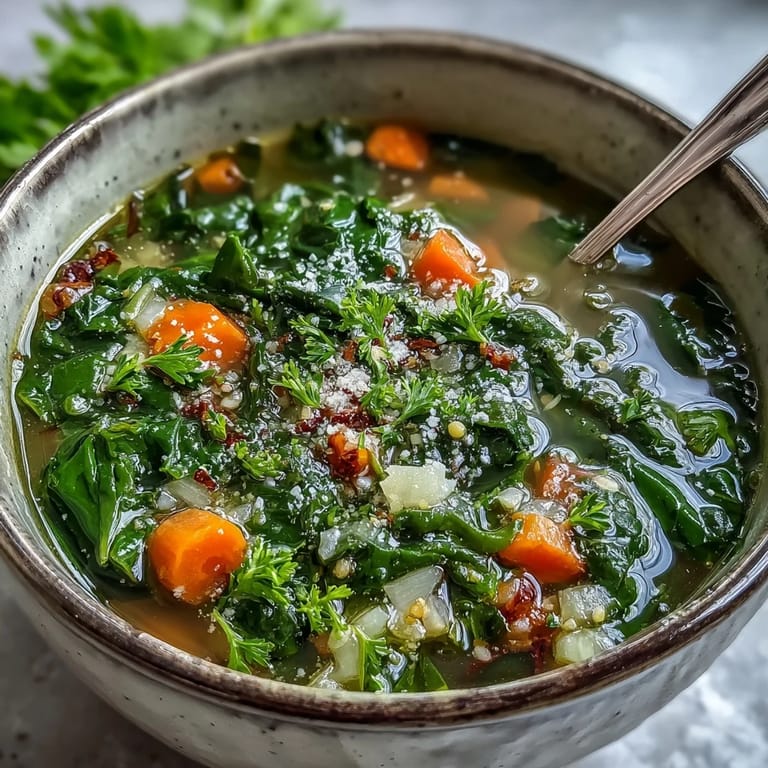
Save The first time I made Swiss chard soup, rain was tapping against my kitchen window, creating that perfect ambience for soup-making. I'd picked up a vibrant bunch of rainbow chard at the farmers market that morning without any specific plans. Standing there with those colorful stems in my hands, I remembered my grandmother's philosophy that anything green could become a spectacular soup with enough garlic and patience. The resulting creation was so much more than I expected – silky, nurturing, and bursting with earthy flavors.
Last autumn when my friend Lisa was recovering from surgery, I brought over a container of this Swiss chard soup. I worried it might be too simple, but she called the next day specifically to tell me how healing it felt. There was something about the clear broth with those vibrant greens that spoke of care and renewal. Now whenever any of us is feeling under the weather, this soup automatically appears on the stove with an almost medicinal reverence.
Ingredients
- Swiss chard: Separate the stems from the leaves since they cook at different rates, and those colorful stems are too delicious to discard like I mistakenly did the first few times I cooked with chard.
- Olive oil: Use something with good flavor here since it forms the foundation of the soup, I learned that a peppery olive oil adds a subtle complexity that elevates the whole pot.
- Vegetable broth: The clearer and more flavorful your broth, the more elegant your soup will be, so use homemade if you have it tucked away in your freezer.
- Lemon juice: Added at the end, this brightens everything up and cuts through the earthiness of the greens in the most magical way.
- Red pepper flakes: Just a small pinch transforms the soup without making it spicy, creating depth rather than heat.
Tired of Takeout? 🥡
Get 10 meals you can make faster than delivery arrives. Seriously.
One email. No spam. Unsubscribe anytime.
Instructions
- Build your flavor foundation:
- Heat olive oil in a large pot over medium heat before adding the onion, carrots, and celery. Watch for that moment when the kitchen fills with their sweet aroma, usually about 5-6 minutes in.
- Add the chard stems:
- Stir in the garlic and those beautiful Swiss chard stems, noticing how their colors intensify as they cook for 2-3 minutes. The garlic should become fragrant but not brown.
- Introduce the greens and broth:
- Add the Swiss chard leaves, which will seem impossibly voluminous until they wilt down, along with the vegetable broth and seasonings. The transformation from mountain of greens to silky soup begins here.
- Simmer patiently:
- Allow everything to simmer uncovered for 15-20 minutes, during which time the chard leaves will surrender completely to the broth. Your kitchen will become steamy and fragrant in the most comforting way.
- Brighten with finishing touches:
- Stir in the lemon juice and parsley, which wake up all the flavors that have been developing. This is when the soup transforms from good to memorable.
- Serve with care:
- Ladle the soup into bowls and sprinkle with Parmesan if using. I find serving this in wide, shallow bowls allows the broth to cool just enough for immediate enjoyment.
 Save
Save One particularly cold evening, I served this soup as a starter before a more elaborate main course, but everyone kept returning to the kitchen for more of the chard soup, leaving the main dish largely untouched. My partner whispered that maybe simple food made with care speaks more clearly to people than complicated dishes. Its a lesson that changed how I approach cooking, reminding me that good ingredients treated respectfully often create the most memorable meals.
Making It Your Own
The beauty of this soup lives in its adaptability to whatever your pantry holds. Sometimes I add cannellini beans when I want something more substantial, or I might toss in leftover roasted vegetables in the final minutes of cooking. Once I accidentally added too much red pepper and countered it with a swirl of coconut milk, creating an entirely new version that became a household favorite. Its less of a rigid recipe and more of a template for seasonal eating.
Seasonal Variations
In late spring, I often add fresh peas and tender herbs like chervil or tarragon. Summer brings the opportunity to stir in fresh corn kernels or cherry tomatoes in the last few minutes of cooking. Fall versions might include a diced apple or pear for subtle sweetness, while winter calls for hearty additions like diced winter squash that needs a bit more cooking time with the initial vegetables. The soup evolves through the year while maintaining its comforting essence.
Storage and Meal Planning
This soup has saved many busy weeknights in our house because it keeps beautifully in the refrigerator for up to four days, and the flavors only improve with time. For freezing, I ladle cooled soup into silicone muffin cups, freeze until solid, then transfer the soup portions to freezer bags for individual servings that thaw quickly.
- If freezing, slightly undercook the vegetables as they will soften more upon reheating.
- Add the lemon juice and fresh herbs only to portions youre eating immediately, then add fresh when reheating the rest.
- Consider making a double batch specifically for freezing, as youll appreciate having it ready on days when cooking feels impossible.
 Save
Save This humble Swiss chard soup has taught me that true comfort food doesnt need to be heavy or complicated. It reminds us that nourishment comes not just from ingredients, but from the intention with which they were prepared.
Recipe Q&A
- → Can I use other leafy greens instead of Swiss chard?
Yes, kale, spinach, or beet greens work beautifully. Adjust cooking time slightly—kale may need a few extra minutes, while spinach cooks faster and should be added in the last 5 minutes.
- → How do I prevent the soup from becoming bitter?
Young, fresh Swiss chard is naturally sweeter. If using mature chard, blanch the leaves briefly before adding to the pot, or ensure you simmer them fully—bitterness diminishes with thorough cooking.
- → What can I add to make this more filling?
White beans, diced potatoes, or small pasta shapes like ditalini or orzo transform this into a hearty meal. Add beans during the last 10 minutes, potatoes with the carrots, and pasta separately to avoid overcooking.
- → Can I freeze this soup?
Yes, it freezes well for up to 3 months. Cool completely before transferring to airtight containers. The texture may soften slightly upon reheating, but flavors remain excellent. Thaw overnight in the refrigerator.
- → How do I prep Swiss chard properly?
Separate stems and leaves. Chop stems into small pieces for even cooking. Stack leaves, roll into a cylinder, and slice into ribbons. Rinse both thoroughly to remove any grit or sand.