 Save
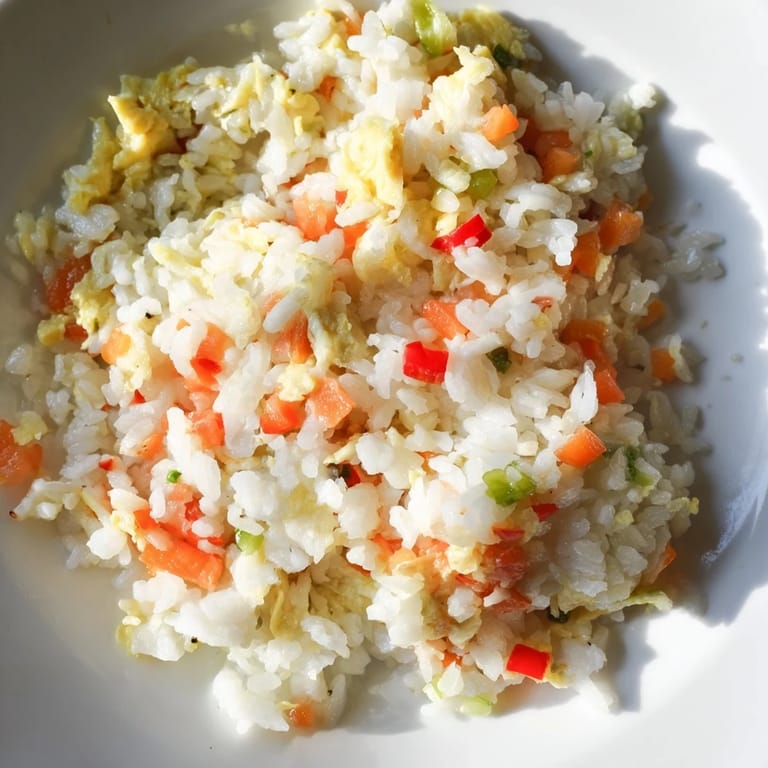
Save My wok sits on the back burner most days, but there's one dish that brings it into constant rotation, and it's the kind that saves weeknight dinners without feeling like a rescue mission. Egg fried rice emerged from a moment of kitchen pragmatism—a container of leftover rice, three eggs, and whatever vegetables weren't getting lonely in the crisper drawer. What started as improvisation became something I crave now, something that tastes better than it should for how little effort it demands. It's the kind of meal that taught me that simplicity, when done right, rivals anything more complicated.
I made this for a friend who showed up hungry and skeptical about "just rice and eggs," and watching her reach for seconds while barely pausing mid-conversation said everything. That moment taught me that the best recipes aren't about impressing anyone—they're about feeding people so well they forget to overthink it.
Ingredients
- Cold cooked white rice (4 cups, preferably day-old): Day-old rice is non-negotiable here because fresh rice clumps together and turns mushy under the high heat of the wok; cold rice has dried out enough to stay separate and get those golden, slightly crispy edges that make this dish sing.
- Large eggs (3): They scramble into clouds of protein that distribute throughout the rice, catching on each grain and creating pockets of richness in every bite.
- Vegetable oil (2 tbsp, divided): Use a neutral oil with a high smoke point so it doesn't smoke out your kitchen when the wok temperature climbs.
- Frozen peas and carrots (1 cup, thawed): Thawing them first prevents excess moisture that would steam the rice instead of stir-frying it; they add color and a slight sweetness that balances the savory soy.
- Scallions (½ cup, finely sliced with greens reserved): The white parts give a sharp, fresh bite when cooked early, and the green tops scattered over the top at the end stay bright and snappy.
- Red bell pepper (½, diced): Sweet pepper adds textural contrast and a visual pop that makes the whole dish feel more intentional than it actually is.
- Soy sauce (3 tbsp, low sodium if preferred): This is where the umami lives; start with less if you're unsure and taste as you go since salt builds quickly.
- Toasted sesame oil (1 tsp): Just a touch of this aromatic oil at the end brings a warmth and nuttiness that ties everything together without overwhelming the dish.
- Ground white pepper (½ tsp): White pepper dissolves into the rice cleanly and won't leave visible specks like black pepper would, keeping the texture uniform.
- Garlic (1 clove, minced): The first thing to hit the hot oil, it perfumes the entire wok with a fragrant base that anchors every other flavor.
- Fresh ginger (1 tsp, grated, optional): If you use it, it adds a subtle warmth and complexity that makes people wonder what makes this taste so good.
Tired of Takeout? 🥡
Get 10 meals you can make faster than delivery arrives. Seriously.
One email. No spam. Unsubscribe anytime.
Instructions
- Beat your eggs like you mean it:
- Crack three large eggs into a small bowl and whisk them with just a pinch of salt until they're completely uniform in color. This extra step means they'll scramble into fine, tender pieces instead of chunky curds.
- Scramble the eggs and set them free:
- Heat one tablespoon of oil in your wok over medium-high heat until it shimmers, then pour in the eggs and let them sit for just a moment before you gently push them around with a wooden spoon. The second they look barely set—still a little wet on top—transfer them to a plate because they'll keep cooking from residual heat.
- Build your flavor base:
- Add the remaining tablespoon of oil to the now-empty wok and get it singing hot again. Add your minced garlic, ginger if using, and the white parts of your scallions, stirring constantly for about 30 seconds until the smell hits you and you know you're on the right track.
- Wake up the vegetables:
- Toss in your thawed peas, carrots, and diced bell pepper, and keep that wok moving for 2 to 3 minutes so everything gets coated in that fragrant oil and the peppers just barely soften but don't lose their bite. You want them to still have personality.
- Bring the rice back to life:
- Crank the heat all the way up and add your cold rice, using your spoon to break apart any clumps as you stir—listen for that slight sizzle that tells you the rice is hitting the hot wok properly. After 2 to 3 minutes, you should see some of the rice grains turning golden and crispy around the edges, which is exactly what you're after.
- Bring everything back together:
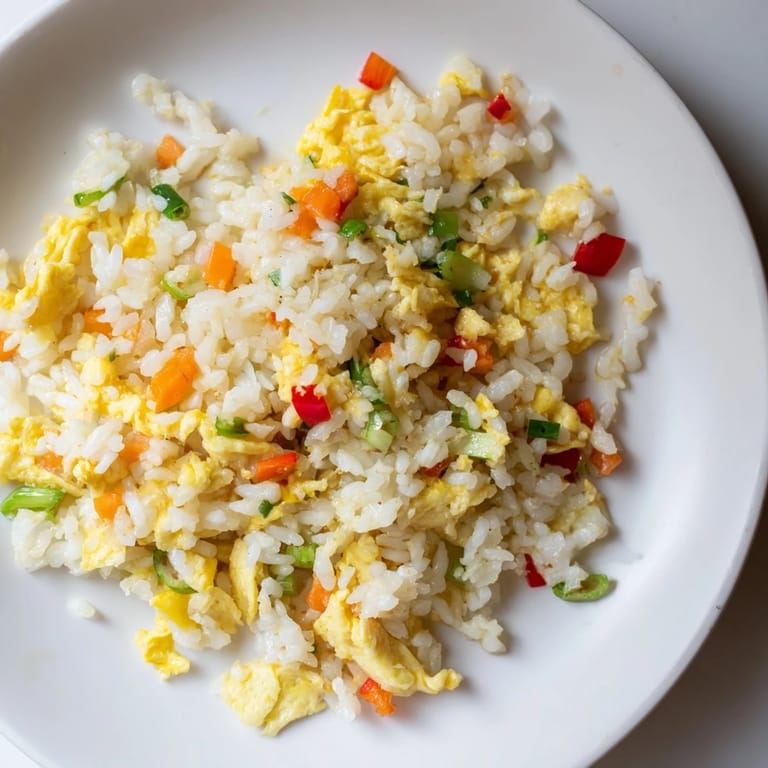
- Return those scrambled eggs to the wok in rough pieces, pour in your soy sauce and sesame oil, add the white pepper, and toss everything together for about a minute until it's all hot and evenly coated. The rice should smell deeply savory now, with that rounded sesame note tying it all together.
- Finish with green and serve immediately:
- Scatter the reserved green parts of your scallions over the top right before plating, because that fresh snip of color and flavor is the difference between good fried rice and the kind people remember.
 Save
Save There was an evening when I realized I was making this rice twice a week without even thinking about it, the muscle memory of measuring oil and cracking eggs had become automatic. That's when I understood this wasn't just a recipe anymore—it was comfort that fit into real life.
The Truth About Leftover Rice
People often apologize for having leftover rice, like it's a failure instead of an asset. In reality, it's the foundation of everything that makes fried rice work—the grains have lost their moisture and separate beautifully under the wok's heat instead of sticking together. I started intentionally cooking extra rice now, storing it in the fridge specifically for this dish because the difference between day-old and fresh rice is the difference between fried rice and rice soup.
Playing with Texture and Temperature
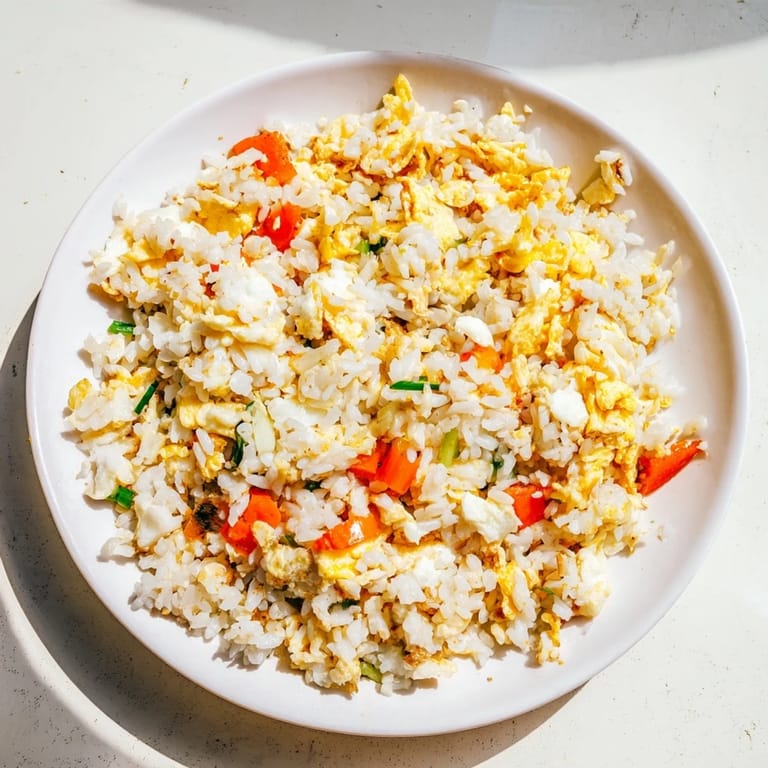
The magic of this dish lives in the contrast—the slightly crispy grains of rice hitting against soft scrambled eggs, the snap of those reserved scallion greens cutting through everything hot and savory beneath them. Getting this right means respecting the high heat of the wok and not being shy about it; medium heat will steam your rice instead of fry it, which is fine for some cooking but misses the entire point here.
Beyond the Basic: What This Dish Teaches You
This recipe is humble enough to teach real wok technique without the pressure of something more complex. You learn heat control because you feel when the oil is ready, you learn ingredient timing because you see what happens when you add things in the wrong order, and you learn that the best meals come from understanding your ingredients instead of just following instructions blindly. Every time you make it, you get a little better at reading your wok, at knowing your stove's personality, at trusting your senses instead of the timer.
- Swap the vegetables based on what's in your fridge—broccoli, cabbage, corn, mushrooms all work beautifully and the rice won't judge you for improvising.
- For extra protein and satisfaction, stir in cooked shrimp, chicken, or cubed tofu alongside the eggs without any extra fuss required.
- A splash of chili oil or sriracha drizzled over the finished dish adds heat and another layer of flavor that transforms it into something different every time.
 Save
Save This is the kind of recipe that doesn't need an occasion, that works just as well for a Tuesday night solo dinner as it does for feeding a crowd. It's become the dish I reach for when I want something that tastes cared for without requiring me to actually care that hard.
Recipe Q&A
- → Why should I use day-old rice?
Day-old rice has less moisture content, which prevents clumping and allows each grain to fry separately, creating that desirable fluffy, slightly crispy texture. Fresh warm rice tends to become mushy.
- → Can I prepare this ahead of time?
This dish is best enjoyed immediately after preparation for optimal texture and flavor. However, you can prep ingredients in advance—cook rice the day before, chop vegetables, and beat eggs. Cook the complete dish fresh when ready to serve.
- → What vegetables work best?
Frozen peas and carrots are convenient and cook quickly. Fresh alternatives include corn, green beans, broccoli, or zucchini. Choose vegetables that cook in 2-3 minutes to maintain a slight crunch and nutritional integrity.
- → How do I prevent the rice from sticking?
Break up rice clumps before adding to the wok, use cold rice, and increase heat to high when adding rice. This creates friction that separates grains. Ensure your wok or skillet is properly heated and oiled before adding rice.
- → What proteins pair well with this dish?
Cooked shrimp, diced chicken, cubed tofu, or canned chickpeas add protein and heartiness. For best results, cook proteins separately if raw, or use pre-cooked varieties. Add them back with the scrambled eggs in the final step.
- → Is this suitable for dietary restrictions?
The base vegetable version is naturally vegetarian. Use tamari instead of soy sauce for gluten-free preparation. For vegan adaptations, replace eggs with scrambled tofu. Always verify ingredient labels for allergen concerns, particularly soy and gluten.