 Save
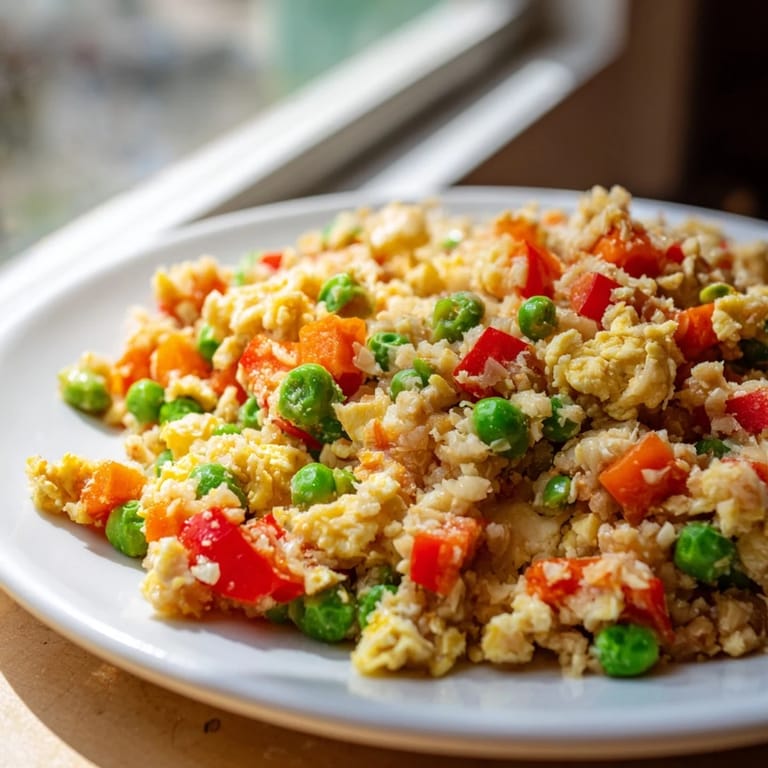
Save There's something wonderfully satisfying about the moment cauliflower hits a hot wok and transforms into something that tastes nothing like a vegetable compromise. I discovered this dish during a stretch when I was experimenting with lighter dinners, and what started as a curious way to use up half a head of cauliflower became the meal I make when I want something that feels indulgent but leaves me energized instead of sluggish. The first time I made it, the kitchen filled with this toasted, gingery aroma that had everyone asking what was cooking before they even saw the bowl.
I remember making this for my roommate who was skeptical about anything grain-free, and watching her come back for seconds without commenting on the cauliflower was its own kind of victory. She asked for the recipe that night, which might sound small, but it meant someone who loved regular fried rice didn't feel like she was settling. That's when I knew this wasn't just a lighter alternative—it was genuinely delicious on its own terms.
Ingredients
- 1 medium head cauliflower (about 600 g), cut into florets: This is your rice substitute, and the key is getting it to the right texture—small enough to mimic rice grains but not so processed that it becomes mushy or wet.
- 1 medium carrot, peeled and diced: Carrots add natural sweetness and color, and their firmness holds up beautifully through the quick cooking.
- 1/2 cup frozen peas: Frozen peas are actually preferable here because they're already partially cooked and won't turn to mush; fresh peas will work if you prefer, but add them later in the cooking.
- 1 small red bell pepper, diced: Bell peppers bring brightness and a slight crunch that contrasts with the soft cauliflower rice.
- 2 green onions, thinly sliced: These go in at the very end so they stay fresh and bright, adding an oniony sharpness that ties everything together.
- 2 cloves garlic, minced: Don't skip this—it's your flavor foundation and only takes 30 seconds in the hot oil to release its full potential.
- 1-inch piece fresh ginger, grated: Fresh ginger is non-negotiable here; the warmth and slight heat it adds is what makes this feel like real fried rice and not just scrambled vegetables.
- 2 large eggs, lightly beaten: Eggs add protein and richness without heaviness, and they break into little curls throughout the dish that people always seem surprised by.
- 2 tablespoons sesame oil or neutral oil, divided: Sesame oil has a lower smoke point, so use a neutral oil (vegetable, canola, or avocado) for the high-heat cooking and save sesame for finishing if you want that toasted aroma.
- 2 tablespoons low-sodium soy sauce or tamari: This is your umami backbone—use tamari if you're gluten-free, and taste before adding extra salt because soy sauce is already salty.
- 1 teaspoon toasted sesame oil (optional, for finishing): A drizzle at the end adds a nutty depth that feels luxurious without being heavy.
- 1/4 teaspoon ground white or black pepper and salt, to taste: White pepper is traditional in Asian cooking and dissolves into the dish more gracefully than black pepper, but use what you have.
Tired of Takeout? 🥡
Get 10 meals you can make faster than delivery arrives. Seriously.
One email. No spam. Unsubscribe anytime.
Instructions
- Process Your Cauliflower:
- Rinse the florets and pat them completely dry—moisture is the enemy of good texture here. Pulse them in a food processor until they look like rice grains, working in batches so you don't overprocess and end up with a wet paste instead of distinct, fluffy pieces.
- Scramble Your Eggs:
- Heat a tablespoon of oil in your wok or skillet over medium-high heat until it shimmers, then add the beaten eggs and let them set for just a few seconds before stirring gently until they're barely cooked through. You want soft curls, not rubbery scrambled eggs, so pull them off the heat while they're still slightly underdone because they'll finish cooking when you mix everything together.
- Build Your Flavor Base:
- Add the remaining oil to your pan and let it heat for about 10 seconds, then add the garlic and ginger and let them toast for 30 seconds—you'll know it's right when you smell that sharp, warming aroma that makes you stand back from the stove. This brief moment of toasting is what separates good fried rice from forgettable fried rice.
- Cook Your Vegetables:
- Toss in the carrots, bell pepper, and frozen peas and stir-fry for 2 to 3 minutes, keeping everything moving in the pan so nothing sticks or browns. The goal is for the vegetables to soften just slightly while staying bright and crisp, so don't walk away from the stove here.
- Add the Cauliflower Rice:
- This is where the dish comes together—spread the cauliflower rice across the pan and let it sit for about 30 seconds without stirring so the bottom gets slightly golden, then stir and cook for 4 to 5 minutes until it's tender throughout but not falling apart. You'll know it's done when it tastes cooked through but still has a slight chew to it.
- Season and Finish:
- Pour in the soy sauce and add a pinch of salt and pepper, then return the eggs to the pan along with the green onions and toss everything together over the heat for about 1 minute. If you're using that finishing sesame oil, drizzle it in right before you serve so you get the full toasted aroma in every bite.
 Save
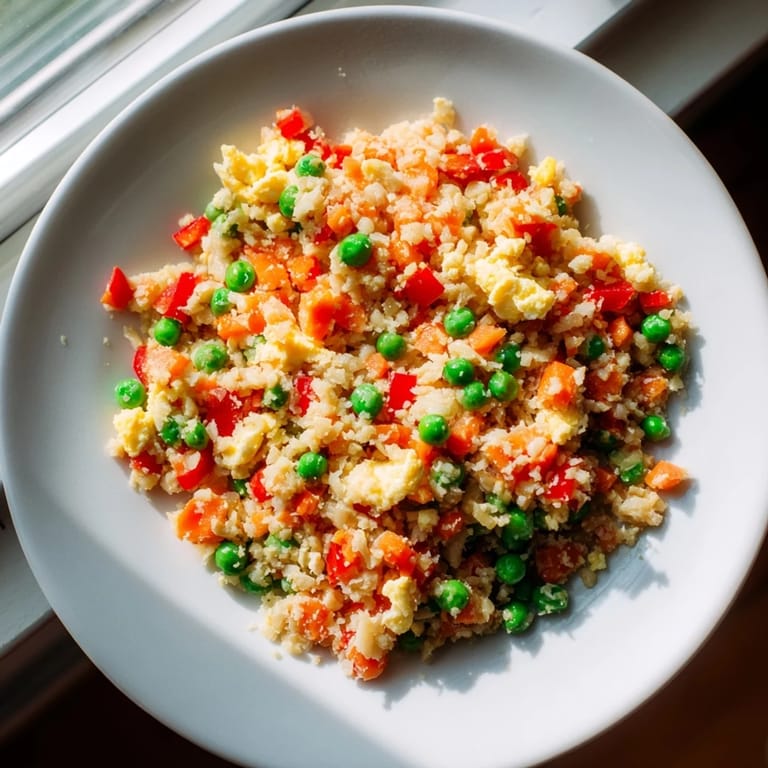
Save One evening I made this for my partner who had mentioned wanting to eat lighter, and instead of it feeling like a sacrifice meal, we ended up talking through the whole dinner about how satisfying it was. That's when I realized this dish has a kind of quiet magic—it doesn't announce itself as healthy or virtue-signaling, it just tastes like something you genuinely want to eat.
The Secret to Better Texture
The real trick I've learned is not to rush the cauliflower cooking stage. It's tempting to crank the heat and get it done quickly, but medium-high heat with patient stirring lets the cauliflower soften evenly without the bottom burning before the top is cooked through. I used to overdo it trying to get a nice sear, and all I accomplished was a mix of mushy and crunchy pieces that felt textually jarring.
Making It Feel Restaurant-Quality
There are little things that elevate this from good to restaurant-good: using fresh ginger instead of powdered, toasting your sesame oil at the end, and not skipping the green onions because they add a fresh note that makes your brain think you're eating something fancier than you actually made in 25 minutes. Temperature also matters more than you'd think—serve it straight into warm bowls so every bite tastes as vibrant as the first one.
Variations and Add-Ons That Actually Work
This recipe has become my canvas for whatever I have on hand, and some experiments have become permanent fixtures in my rotation. Shrimp, diced chicken, or crispy tofu all add protein without changing the dish fundamentally, and vegetables like broccoli, snap peas, or corn slide in seamlessly without throwing off the balance.
- A squeeze of lime juice and a handful of fresh cilantro at the end adds brightness that feels like a completely different meal.
- For extra richness, crack an extra egg or two on top of the finished rice and let the heat cook it through for a gooey, luxurious finish.
- If you like heat, a teaspoon of sriracha or a pinch of red pepper flakes mixed into the soy sauce makes it feel spicy without overpowering the other flavors.
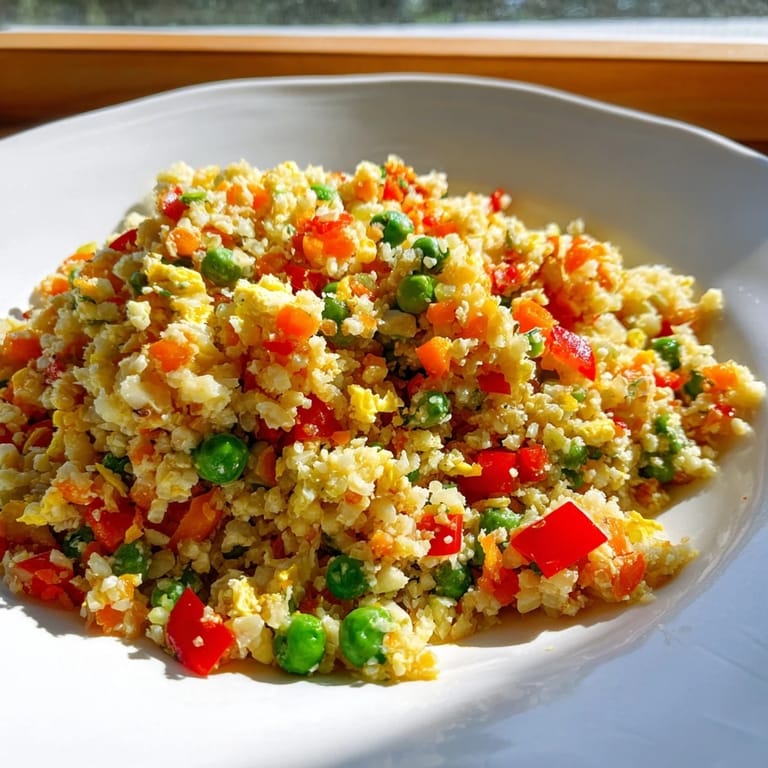 Save
Save This dish taught me that eating well doesn't have to feel like deprivation, and that sometimes the simplest meals end up being the ones you reach for again and again. It's become my go-to when I want something nourishing that doesn't require thought or sacrifice.
Recipe Q&A
- → What's the best way to rice cauliflower at home?
A food processor works most efficiently—pulse cauliflower florets in batches until they reach a rice-like texture. For a finer result, work in smaller batches. Alternatively, use a box grater's smallest holes or a microplane, though this requires more manual effort.
- → How do I prevent the cauliflower from becoming mushy?
Cook the riced cauliflower for only 4–5 minutes over medium-high heat, stirring frequently. Pat the cauliflower dry after ricing to remove excess moisture, and avoid covering the skillet during cooking. Ensure your heat is adequately hot for faster cooking.
- → Can I make this dish ahead of time?
Yes, this dish works well for meal prep. Cool completely, then store in airtight containers in the refrigerator for up to 4 days. Reheat gently in a skillet or microwave, adding a splash of water if needed. For best texture, prepare the components separately and assemble just before serving.
- → What are good protein additions?
Cooked chicken breast, shrimp, firm tofu, or a tofu scramble all complement this dish beautifully. Add 1–2 cups of cooked protein, stirring it in during the final minute of cooking. For raw proteins, cook them separately first or sauté them before adding vegetables.
- → How can I boost the flavor?
Drizzle with toasted sesame oil and finish with fresh lime juice and cilantro for brightness. Add a dash of sriracha or chili oil for heat, or incorporate white miso paste for umami depth. Experimenting with different soy sauce varieties or tamari creates subtle flavor shifts.
- → Is this suitable for different diets?
Absolutely. This dish is naturally vegetarian, gluten-free (using tamari), low-carb, and keto-friendly. For vegan versions, omit eggs or substitute with tofu scramble. It accommodates most dietary preferences while maintaining excellent flavor and satisfaction.