 Save
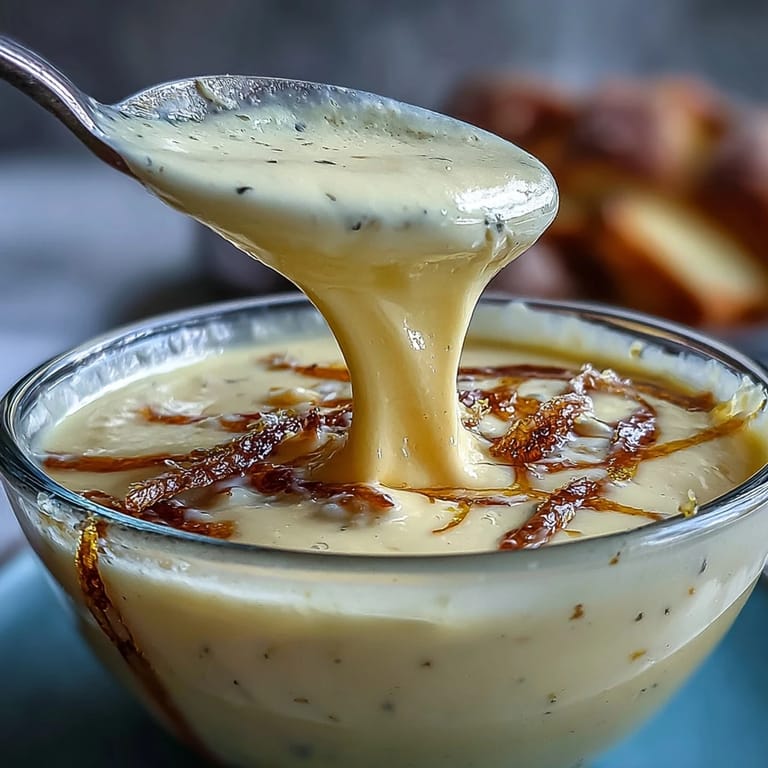
Save The sharp sizzle of butter in my small saucepan always takes me by surprise – how fast it melts, how quickly the kitchen suddenly smells like comfort. Hollandaise used to intimidate me, that mythical sauce balanced atop brunch eggs on the fanciest mornings. But one rushed weekend, with an overcooked saucepan and guests arriving, I discovered the blender shortcut – and never looked back. Now, those silky drizzles feel possible even before the coffee's brewed. Sometimes, it's the easy wins that make breakfast feel like a celebration.
I still remember my sister looking skeptical as I tipped melted butter into the humming blender, the two of us cross-legged on the kitchen floor with a bowl of asparagus at the ready. Our laughter echoed when the sauce turned glossy, ribbons slipping off the spoon, turning our simple lunch into something quietly luxurious. That day, we must've eaten three plates each, swiping every last bit from the bowl.
Ingredients
- Unsalted butter: Rich, creamy base for the sauce — let it fully melt and watch that it doesn’t turn brown, as that will change the flavor.
- Egg yolks: The secret to the sauce’s thick, custardy texture; room temperature yolks blend most smoothly.
- Fresh lemon juice: Adds just the right brightness; squeeze it fresh for the cleanest flavor.
- Dijon mustard (optional): Brings a gentle tang and extra stability, so your sauce rarely breaks.
- Salt: Enhances all the other flavors; a small pinch goes a long way.
- Cayenne pepper or black pepper: A subtle heat boosts the complexity without overpowering that infamous silkiness.
Tired of Takeout? 🥡
Get 10 meals you can make faster than delivery arrives. Seriously.
One email. No spam. Unsubscribe anytime.
Instructions
- Melt the butter:
- Cut the butter into chunks and let it melt in a small saucepan over gentle heat, swirling occasionally. The moment it becomes completely liquid and starts to bubble, turn off the heat — don’t let it go brown.
- Prepare the blender mixture:
- Add the egg yolks, lemon juice, optional Dijon, salt, and a pinch of cayenne or black pepper to your blender. Whiz it on medium for about 10 seconds until everything looks pale and frothy.
- Drizzle in hot butter:
- With the blender running on its lowest setting (remove the top’s center if possible), gently drizzle in the hot butter in a slow, steady stream. Continue until you’ve added it all — you’ll hear the pitch change, and see the sauce turn thick and glossy after just 20 to 30 seconds.
- Taste and adjust:
- Pause and taste the sauce. Add a few drops more lemon or pinch of salt if needed, and blend for a second more to combine.
- Serve immediately:
- Pour over eggs Benedict, crisp steamed vegetables, or roasted fish. If it thickens as it stands, whisk in a splash of hot water to revive the silkiness.
 Save
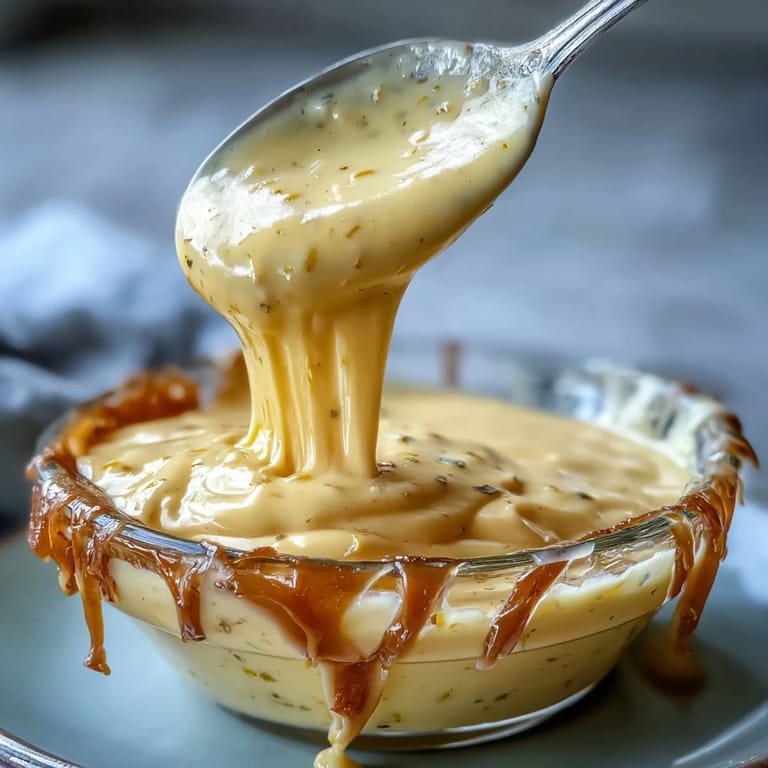
Save There was a brunch last spring where this hollandaise turned the conversation from awkward small talk to a chorus of happy sighs. As we passed the dish around the table, someone always picked up the jug to pour just a little more. It’s the kind of recipe that quietly glues memories together.
Getting the Consistency Just Right
The sauce sometimes looks thin straight from the blender but will thicken in the minute or two it stands; give it a gentle whisk if it sits too long. If you wait too long and it becomes gloopy, a spoonful of hot water smooths it out in seconds. Don’t be tempted to reheat directly over heat – the eggs will seize.
Flavor Variations to Consider
I enjoy playing around with the seasoning: a tiny bit of smoked paprika adds unexpected depth, and sometimes I swap black pepper for chipotle or espelette. A bit of finely chopped tarragon turns it nearly into béarnaise, especially with poached salmon on a weeknight. For something brighter, I’ve even stirred in a touch more lemon zest at the very end.
Blender Tips for Stress-Free Sauces
Make sure your blender lid is secure, and start on low until the sauce comes together — I once painted my cabinets with hollandaise in my haste. If your blender has a center opening, that’s the safest way to drizzle in the butter evenly. Slick a little water in the blender first if you worry about sticking.
- Keep a kitchen towel handy to catch any stray drips.
- Have the serving dish warm, so the sauce stays silky.
- Don’t forget to taste before you serve – it’s amazing how much brighter a splash more lemon can make it.
 Save
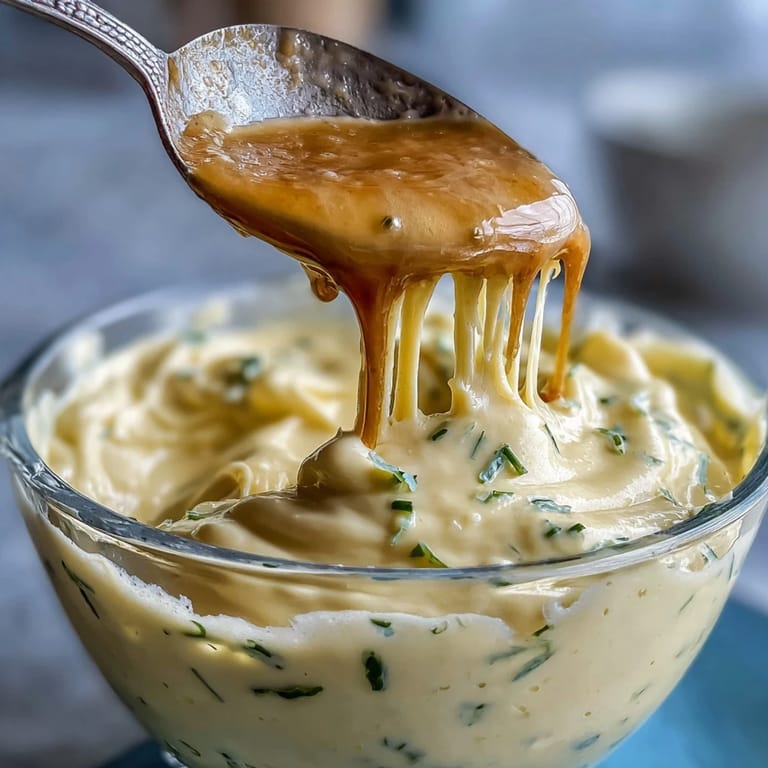
Save This hollandaise is proof that a little kitchen improvisation can turn a regular Sunday into something a bit more golden. Here’s to fewer nerves and more reasons to drizzle homemade sauce over everything you like.
Recipe Q&A
- → Can I use whole eggs instead of yolks?
Whole eggs add extra water and can produce a thinner, less stable emulsion. For the classic silky texture, use yolks; if using whole eggs, expect a lighter, more custardy finish and reduce added liquid.
- → How do I fix a broken emulsion?
Start with a fresh yolk in a clean blender or bowl and slowly whisk in the broken mixture a few drops at a time, or add a tablespoon of hot water while blending to help re-emulsify.
- → Is clarified butter or oil a good swap?
Clarified butter yields a cleaner flavor and lighter mouthfeel; a neutral oil can be used for a lighter version. For best texture, warm the fat before adding it in a slow, steady stream.
- → How long can I keep the sauce warm?
Keep the blender jug nested in a bowl of warm (not hot) water for short periods. The sauce is best used immediately; gentle warmth for up to 20–30 minutes is fine but quality will decline over time.
- → Can I make this ahead of time?
The emulsion is freshest served right away. You can make it briefly ahead and rewhisk with a splash of hot water to loosen, but extended holding or refrigeration may change texture and require re-emulsifying.
- → Any tips for seasoning and serving?
Taste for lemon and salt at the end; a small pinch of cayenne or black pepper brightens the flavor. Classic pairings include eggs Benedict, poached salmon, steamed asparagus and artichokes.