 Save
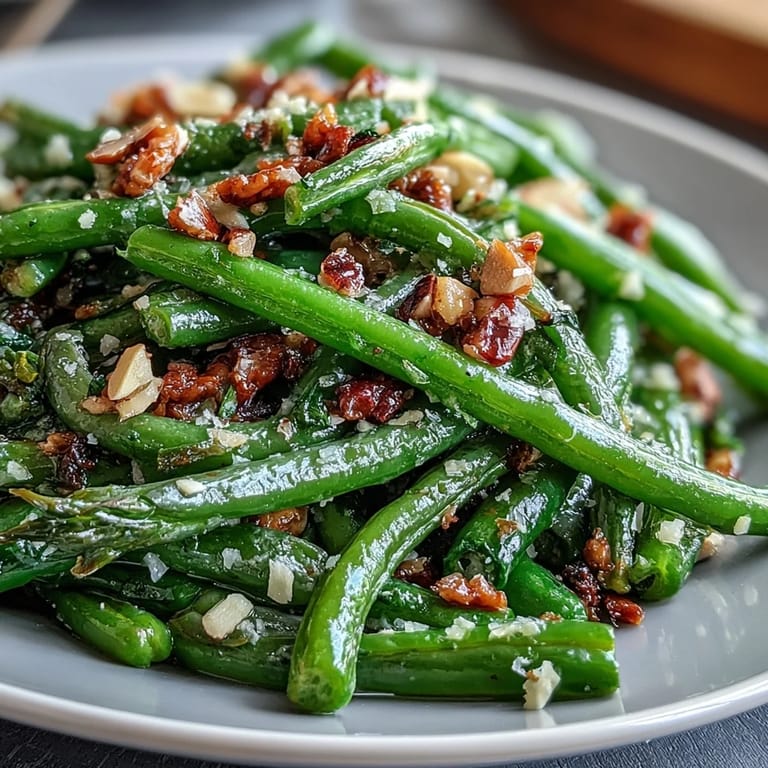
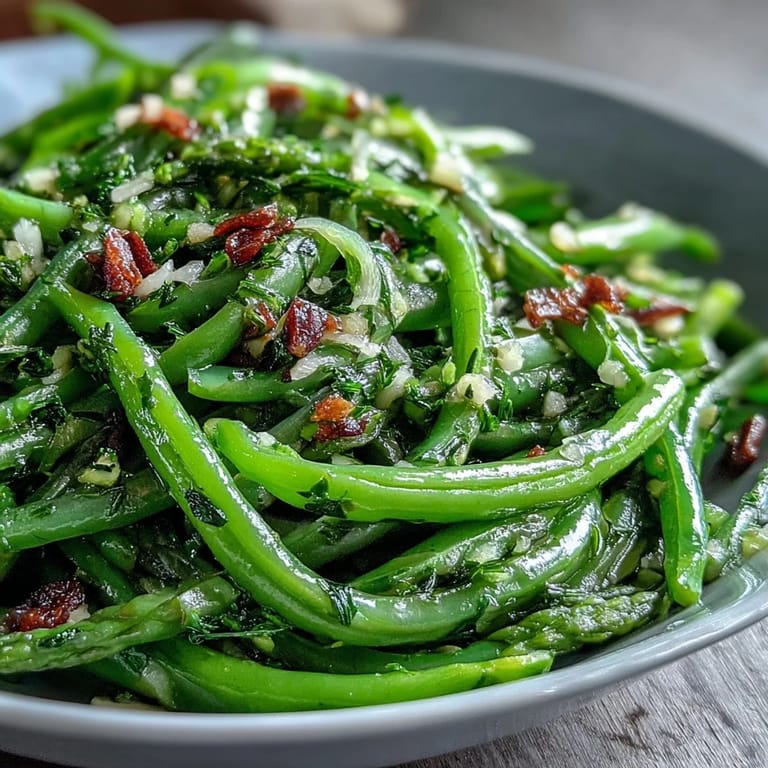
Save There's something about the first warm day of spring that makes you crave vegetables you can eat raw, and this salad arrived in my life during one of those afternoons when I had a bunch of asparagus that seemed too delicate to roast. My neighbor mentioned she'd been shaving hers thin as ribbons, and I thought she was joking until I tried it—the peeler transformed those stalks into something silky and entirely different. That single moment changed how I think about asparagus, and now I find myself reaching for the vegetable peeler before the oven every time.
I brought this to a potluck last May where everyone else had brought heavy casseroles and pasta salads, and I watched people come back for thirds, genuinely surprised that something this simple could steal the show. One guest asked what made it so addictive, and I realized it was the combination of textures—the snappy radishes, the creamy nuts, the tender asparagus ribbons all held together by a dressing that tastes like bottled sunshine. That afternoon taught me that sometimes restraint and freshness win over complexity.
Ingredients
- Fresh asparagus (about 300 g): Look for slender stalks with tightly closed tips, and trim those woody ends by snapping them where they naturally want to break—this tells you exactly where the tender part begins.
- Fresh or frozen green peas (1 cup): Frozen peas are honestly superior here because they're picked at peak sweetness and the thaw brings out that flavor without needing any cooking.
- Baby arugula or mixed spring greens (2 cups): These tender leaves wilt slightly when dressed, adding a peppery note that grounds all the sweetness around them.
- Radishes (2, thinly sliced): They provide a peppery crunch that keeps the salad from feeling too delicate, and their slight bitterness balances the honey in the dressing.
- Shaved Parmesan cheese (1/4 cup): Use a vegetable peeler to create thin curls that melt slightly into the warm lettuce, or buy pre-shaved if you're short on time.
- Toasted pine nuts or slivered almonds (1/4 cup): Toast them yourself in a dry pan for two minutes if you can—the smell alone will convince you it's worth the effort, and they taste infinitely fresher.
- Extra-virgin olive oil (3 tbsp): This is where you splurge slightly because it's the base of everything, and a good one makes the difference between nice and memorable.
- Freshly squeezed lemon juice (2 tbsp): Bottled won't quite capture that bright, alive quality that makes this salad feel like spring.
- Lemon zest (1 tsp): Those tiny flecks carry all the essential oils that make your mouth wake up, so don't skip this step even though it feels small.
- Honey or maple syrup (1 tsp): Just enough to round out the acidity and remind you that spring vegetables are naturally sweet.
- Dijon mustard (1 tsp): It acts as an emulsifier, helping the oil and lemon juice become friends instead of separating.
- Sea salt (1/2 tsp) and black pepper (1/4 tsp): Season in layers rather than all at once, tasting as you go since the lemon juice already adds brightness.
Tired of Takeout? 🥡
Get 10 meals you can make faster than delivery arrives. Seriously.
One email. No spam. Unsubscribe anytime.
Instructions
- Shave the asparagus:
- Hold each stalk steady and run your vegetable peeler lengthwise, letting the ribbons fall into your bowl like green confetti. You'll feel the resistance change as the peeler moves from the tender part to the woody end, which is your signal to stop.
- Build your salad base:
- Scatter the peas and greens over the asparagus, then layer the radish slices on top so they stay visible and appealing. The arugula will nestle between everything, creating natural pockets where the dressing can settle.
- Make the dressing:
- Combine the olive oil, lemon juice, zest, honey, mustard, salt, and pepper in a small jar and shake it hard for about thirty seconds until it turns creamy and emulsified. You'll see it transform from separated and oily to cohesive and glossy, which means the mustard did its job.
- Dress and toss:
- Pour the dressing over everything and toss gently with your hands or two spoons, turning the salad so each piece gets coated but the leaves stay intact. You're looking for a light, even coating, not a drenching.
- Top and serve:
- Scatter the Parmesan curls and toasted nuts over the top right before serving, or toss them in if you prefer everything mixed together. Either way, eat it immediately while the asparagus is still crisp and the greens haven't softened too much.
 Save
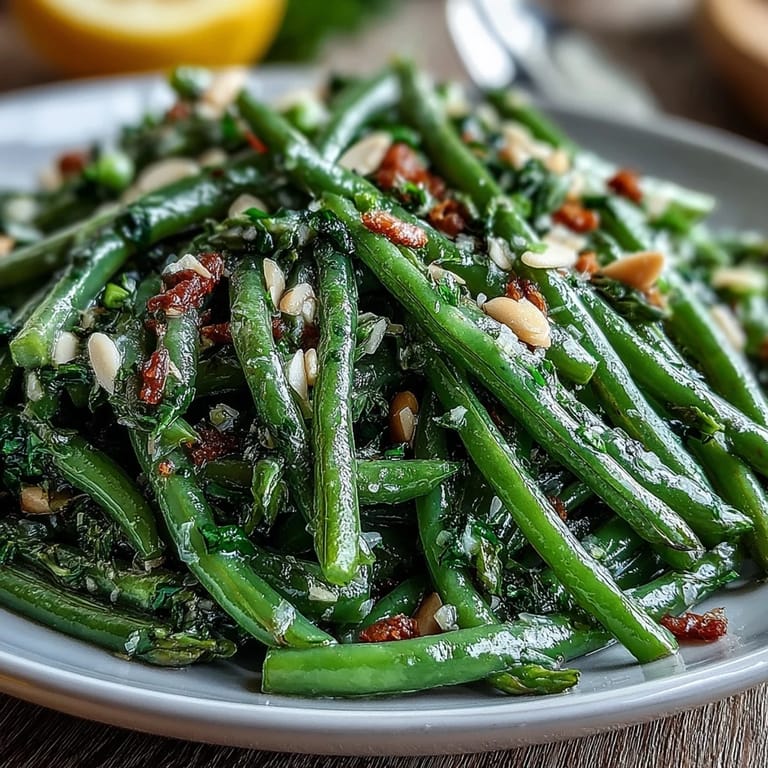
Save A friend who normally claims she doesn't eat salads told me this one changed her mind, which I think was the highest compliment I've ever received in my kitchen. Now I make it every time the weather shifts and I want to celebrate that in-between season when winter's finally losing its grip.
Variations to Keep Things Fresh
This salad welcomes small changes depending on what you have on hand or how adventurous you're feeling that day. I've swapped the pine nuts for toasted hazelnuts, replaced the peas with blanched sugar snap peas that you slice diagonally, and even added a handful of fresh mint or basil at the very end. One spring I was out of Parmesan and used crumbled goat cheese instead, which added a tang that worked beautifully with the lemon.
Pairing This Salad with Everything Else
This salad shines brightest as a standalone lunch, but it also plays beautifully with grilled fish, roasted chicken, or even a simple risotto if you want something more substantial. The brightness cuts through richer proteins and balances heavier dishes, so it's the kind of side that actually makes the whole meal taste better. I've served it at dinner parties, packed it for picnics, and eaten it straight from the bowl while standing at the counter on a Tuesday afternoon.
Making It Your Own
The magic of this salad lives in its simplicity, which means it's infinitely adaptable without losing its essential character. You can play with the nuts, experiment with different greens, add or subtract the cheese, and adjust the dressing to your preference for bright versus subtle. Here are my go-to adjustments when I want to keep things interesting:
- For a vegan version, skip the cheese and use the almonds instead of pine nuts, and the salad loses nothing in its appeal.
- Add fresh herbs like dill, tarragon, or chives right before serving for an herbal layer that deepens everything around it.
- If you want it more substantial, toss in some white beans or chickpeas that you've dressed lightly with olive oil and lemon juice.
 Save
Save This salad reminds me that some of the best meals need the least time and the fewest ingredients, and that the first warm day of the year always deserves something green and alive. Make it when you need to celebrate spring, or make it on a regular Tuesday just because your body is asking for something bright.
Recipe Q&A
- → How do I properly shave asparagus for this salad?
Use a vegetable peeler to shave the asparagus stalks lengthwise into thin, ribbon-like strips. This technique enhances texture and presentation.
- → Can I substitute the pine nuts or almonds in the salad?
Yes, toasted sunflower seeds or walnuts work well as alternatives, adding crunch and complementing the flavors.
- → Is it necessary to use Parmesan cheese in the salad?
While Parmesan adds a savory depth, it can be omitted or replaced with a plant-based cheese for a dairy-free option.
- → How should the lemon dressing be prepared and used?
Whisk olive oil, fresh lemon juice, lemon zest, honey, Dijon mustard, salt, and pepper until emulsified, then drizzle over the salad to evenly coat the vegetables.
- → What greens can I use instead of arugula?
Baby spinach, mixed spring greens, or watercress make excellent substitutes, maintaining a fresh and vibrant texture.